


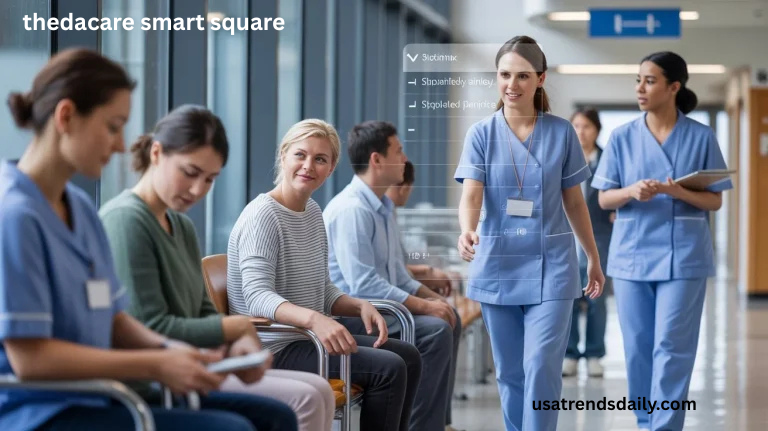
Healthcare systems today face increasing pressure to balance patient care quality with operational efficiency. Staffing shortages, fluctuating patient volumes, and budget constraints require advanced tools to manage workforce planning effectively. One platform frequently associated with this discussion is ThedaCare Smart Square. Designed to streamline workforce scheduling and optimize staffing resources, this system plays a significant role in supporting healthcare professionals and administrators.
ThedaCare, a well-known healthcare organization in Wisconsin, has integrated digital workforce management solutions to enhance operational performance. Smart Square, a scheduling and workforce optimization platform, supports hospitals and clinics by aligning staffing needs with patient demand. This article explores ThedaCare Smart Square in depth, including its purpose, features, benefits, technological foundation, impact on patient care, and future potential within healthcare systems.
Understanding ThedaCare Smart Square in Modern Healthcare

ThedaCare Smart Square is part of a broader workforce management strategy aimed at improving staffing accuracy and efficiency. Healthcare facilities operate around the clock, requiring precise scheduling to ensure adequate coverage without unnecessary labor costs.
Smart Square is typically used to forecast patient volume trends, match staff availability to expected needs, and reduce last-minute scheduling conflicts. By centralizing workforce data, administrators gain better visibility into staffing patterns and resource allocation.
For organizations like ThedaCare, implementing digital scheduling platforms helps address one of healthcare’s most complex challenges: maintaining optimal staffing levels while controlling expenses. This approach supports both clinical excellence and financial sustainability.
Key Features of ThedaCare Smart Square
ThedaCare Smart Square offers several features designed specifically for healthcare workforce management. One primary function is predictive analytics. By analyzing historical patient census data, the platform can forecast future staffing needs.
Another important feature is self-scheduling functionality. Employees may have access to view open shifts, request time off, and manage availability within established guidelines. This level of flexibility enhances staff satisfaction.
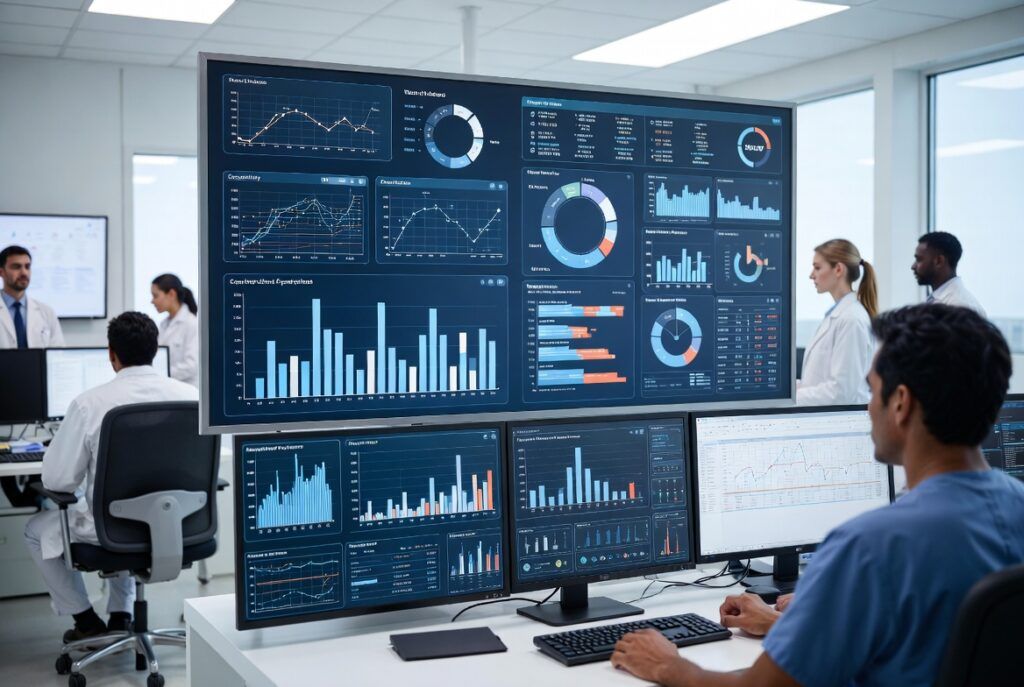
The system also provides real-time dashboards for managers. These dashboards display staffing gaps, overtime projections, and compliance metrics. Automated alerts notify administrators when staffing levels fall below required thresholds.
Integration capabilities allow ThedaCare Smart Square to connect with payroll systems, electronic health records, and human resources platforms. This interconnected approach reduces administrative workload and improves data accuracy.
Benefits of ThedaCare Smart Square for Healthcare Staff
For nurses, technicians, and support staff, scheduling transparency is critical. ThedaCare Smart Square can improve workplace satisfaction by offering clearer visibility into shifts and availability.
Predictable scheduling reduces burnout by minimizing unexpected overtime. Employees can better plan personal commitments when shift assignments are consistent and communicated in advance.
Self-service features empower staff to participate in scheduling decisions within approved limits. This collaborative approach may foster stronger morale and accountability.
By optimizing shift distribution, the platform helps ensure that workloads are balanced. When staffing aligns with patient demand, employees are less likely to experience excessive stress during peak periods.
Administrative Advantages of ThedaCare Smart Square

Healthcare administrators benefit significantly from data-driven workforce management. ThedaCare Smart Square enables leaders to make informed decisions based on analytics rather than guesswork.
Forecasting tools assist in budgeting and financial planning. Accurate predictions reduce unnecessary labor costs while maintaining compliance with staffing regulations.
The platform also supports regulatory adherence. Healthcare organizations must meet minimum staffing requirements for patient safety and accreditation standards. Automated monitoring simplifies compliance tracking.
Operational efficiency improves when managers can identify trends quickly. If certain departments consistently require overtime, adjustments can be made proactively rather than reactively.
The Technological Foundation Behind ThedaCare Smart Square
Modern workforce platforms rely on cloud-based infrastructure. ThedaCare Smart Square likely operates through secure cloud servers, enabling remote access for authorized users.
Data encryption and cybersecurity measures protect sensitive employee and patient information. Given healthcare’s strict privacy regulations, robust security protocols are essential.
Artificial intelligence and machine learning algorithms may enhance forecasting accuracy. By continuously analyzing new data, the system refines predictions over time.
Mobile accessibility further enhances usability. Staff members can check schedules and receive notifications on smartphones, ensuring timely communication.
This technological foundation supports scalability, allowing organizations to adapt as workforce demands evolve.
Impact of ThedaCare Smart Square on Patient Care
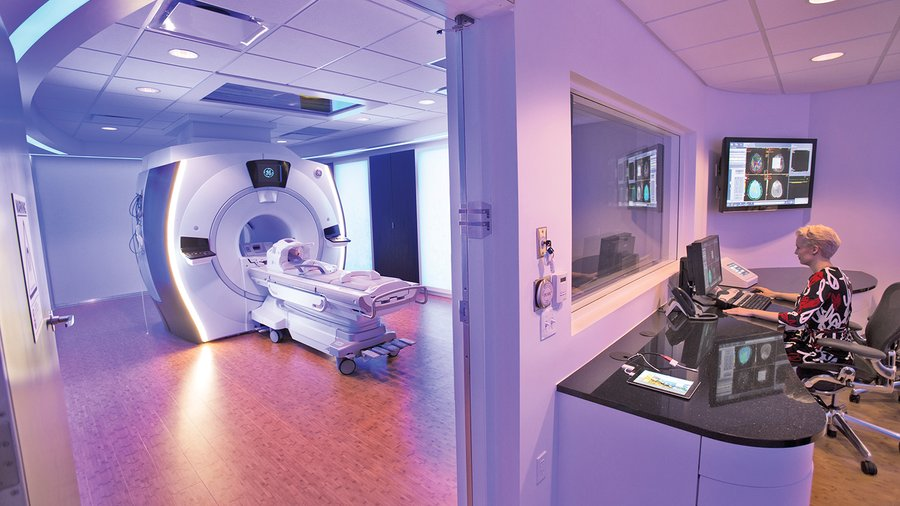
Effective staffing directly influences patient outcomes. When hospitals are understaffed, response times increase and staff fatigue rises, potentially affecting care quality.
ThedaCare Smart Square helps maintain appropriate nurse-to-patient ratios by forecasting demand accurately. Adequate staffing ensures patients receive timely attention and reduces the likelihood of errors.
Balanced workloads contribute to higher staff engagement, which can positively impact bedside manner and overall patient satisfaction.
By aligning resources with patient needs, the platform indirectly strengthens clinical performance. Technology-driven scheduling becomes a vital component of delivering consistent, high-quality healthcare.
Workforce Flexibility and ThedaCare Smart Square
Healthcare environments are dynamic. Seasonal illnesses, emergencies, and unforeseen circumstances can rapidly alter staffing requirements.
ThedaCare Smart Square supports flexibility by enabling quick schedule adjustments. Managers can identify available personnel and reassign shifts efficiently when necessary.
Float pools and cross-trained staff can be integrated into the system, ensuring that departments experiencing sudden surges receive support.
Flexibility reduces disruption and ensures continuity of care, even during unpredictable situations.
Financial Efficiency Through ThedaCare Smart Square
Labor costs represent a substantial portion of hospital operating budgets. Inefficient scheduling can lead to unnecessary overtime or reliance on temporary staffing agencies.
ThedaCare Smart Square helps control expenses by predicting demand accurately and optimizing resource allocation. Reduced overtime lowers payroll costs while maintaining coverage.
Financial transparency improves when administrators have access to real-time labor metrics. Data-driven decision-making supports sustainable budget management.
Long-term cost savings may justify initial implementation expenses, making workforce optimization platforms a strategic investment.
Employee Engagement and Retention in ThedaCare Smart Square
Staff retention is a critical concern in healthcare. High turnover rates increase recruitment costs and disrupt team cohesion.
ThedaCare Smart Square contributes to engagement by promoting fairness in scheduling. Transparent processes reduce perceptions of favoritism or inequity.
When employees feel heard and involved in scheduling decisions, morale often improves. Enhanced job satisfaction may lead to longer tenure and reduced turnover.
Engaged staff members are more likely to provide attentive, compassionate care, benefiting both patients and organizations.
Challenges in Implementing ThedaCare Smart Square
While digital workforce management systems offer numerous benefits, implementation may present challenges. Transitioning from manual scheduling methods to automated platforms requires training and adaptation.
Some employees may initially resist technological changes. Clear communication and comprehensive onboarding programs can mitigate concerns.
Data accuracy is another consideration. Predictive tools rely on high-quality historical information. Incomplete or inconsistent data may affect forecasting reliability.
Despite these challenges, thoughtful planning and ongoing support can ensure successful integration of ThedaCare Smart Square into healthcare operations.
The Future of ThedaCare Smart Square in Healthcare Innovation
As healthcare technology continues advancing, workforce management systems will likely become even more sophisticated. Integration with predictive analytics and population health data may enhance planning precision.
Artificial intelligence could further automate staffing decisions while maintaining human oversight. Real-time patient monitoring systems might eventually feed data directly into scheduling algorithms.
ThedaCare Smart Square may evolve to incorporate advanced reporting tools, telehealth scheduling, and expanded mobile capabilities.
Innovation will remain essential as healthcare organizations strive to balance efficiency with compassionate care delivery.
The Broader Significance of ThedaCare Smart Square
Beyond a single organization, ThedaCare Smart Square represents a broader shift toward digital transformation in healthcare administration. Workforce optimization platforms reflect the industry’s commitment to modernization.
By embracing data-driven strategies, healthcare providers can improve resilience against staffing shortages and financial pressures.
The success of such systems may inspire other organizations to adopt similar solutions, contributing to industry-wide improvements.
Technology alone cannot solve every challenge, but it provides powerful tools to support informed leadership and operational excellence.
Conclusion: Why ThedaCare Smart Square Matters
ThedaCare Smart Square illustrates how digital workforce management can enhance efficiency, transparency, and patient care within healthcare organizations. Through predictive analytics, real-time dashboards, and employee self-service features, the platform addresses complex staffing challenges.
Benefits extend beyond administrative convenience. Improved scheduling supports employee well-being, financial sustainability, and patient safety.
Although implementation requires careful planning, the long-term advantages of optimized workforce management are significant. As healthcare systems continue adapting to evolving demands, solutions like ThedaCare Smart Square will likely play an increasingly vital role.
Ultimately, the integration of technology into staffing strategies reflects a broader commitment to delivering high-quality care while maintaining operational strength.
