


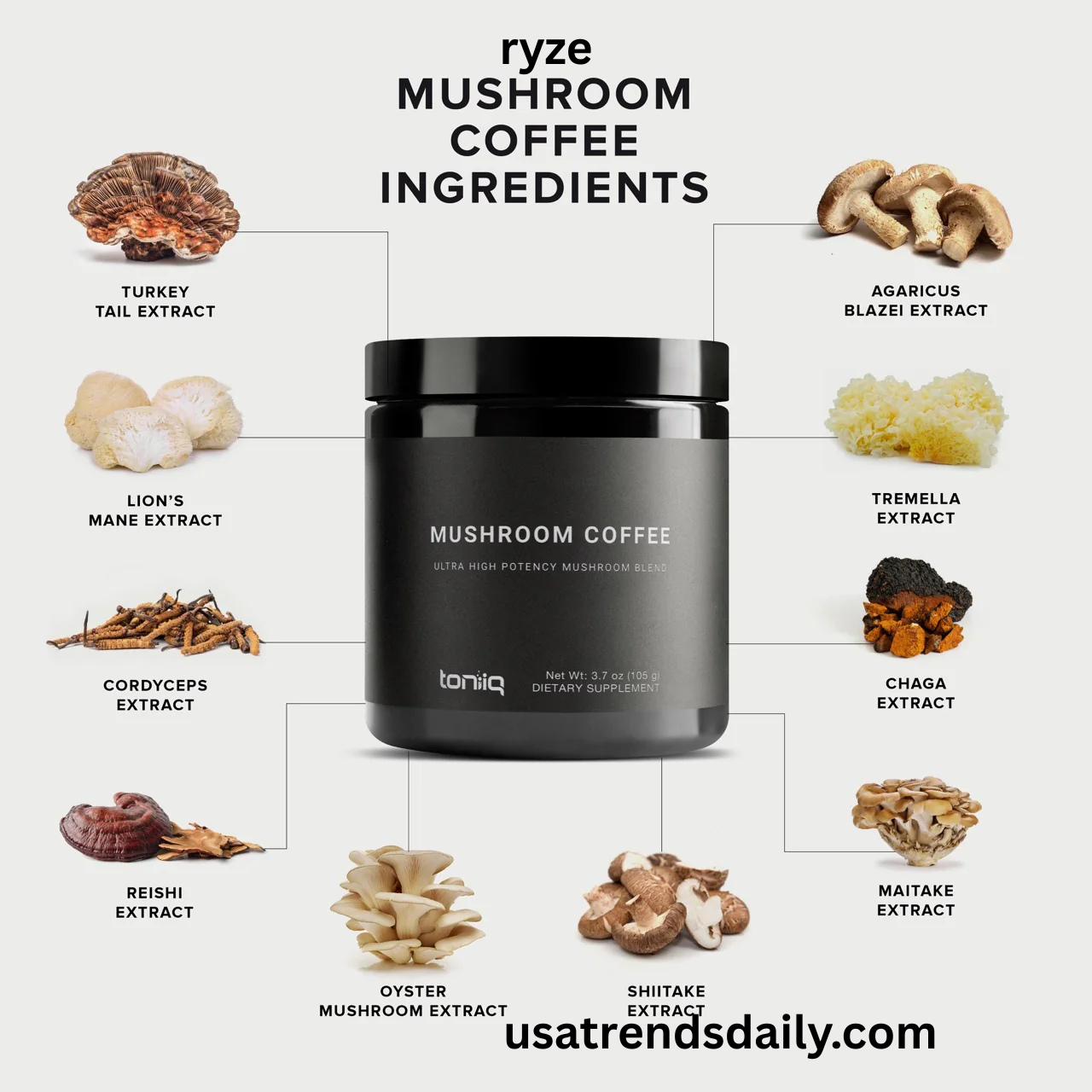
Understanding ryze mushroom coffee ingredients is important for consumers who want to know what they are putting into their bodies each day. Mushroom coffee blends have grown in popularity as people look for alternatives to traditional coffee. These products often combine ground coffee with functional mushrooms and plant-based additives designed to create a balanced beverage experience.
Unlike standard coffee, which primarily focuses on caffeine content and flavor profile, mushroom coffee blends are formulated with additional components intended to support overall wellness. Knowing what makes up a specific blend helps consumers make informed choices about taste, nutritional value, and compatibility with personal dietary preferences.
In this article, we explore the components commonly associated with this blend, explain their origins, and discuss how they contribute to the overall composition of the product.
Ryze Mushroom Coffee Ingredients and the Core Coffee Base

At the foundation of ryze mushroom coffee ingredients is coffee itself. Most mushroom coffee blends begin with ground coffee beans, which provide the familiar aroma and taste that many consumers expect.
Coffee beans are typically sourced from regions known for consistent cultivation practices. The roasting process influences both flavor and caffeine levels. In mushroom coffee blends, the coffee portion is often balanced to complement the additional ingredients rather than dominate them.
The coffee base provides the characteristic bitterness and depth while serving as the carrier for other plant-based components included in the blend.
Ryze Mushroom Coffee Ingredients and Organic Mushroom Varieties
A defining feature of ryze mushroom coffee ingredients is the inclusion of functional mushrooms. These are not the culinary mushrooms commonly found in grocery stores but rather varieties traditionally used in herbal practices.
Common mushrooms found in functional blends include lion’s mane, cordyceps, reishi, turkey tail, and shiitake. Each mushroom has its own historical background and traditional associations.
These mushrooms are typically dried and processed into fine powders before being incorporated into the coffee mixture. The goal is to blend them seamlessly without overwhelming the taste profile.
Ryze Mushroom Coffee Ingredients and Lion’s Mane
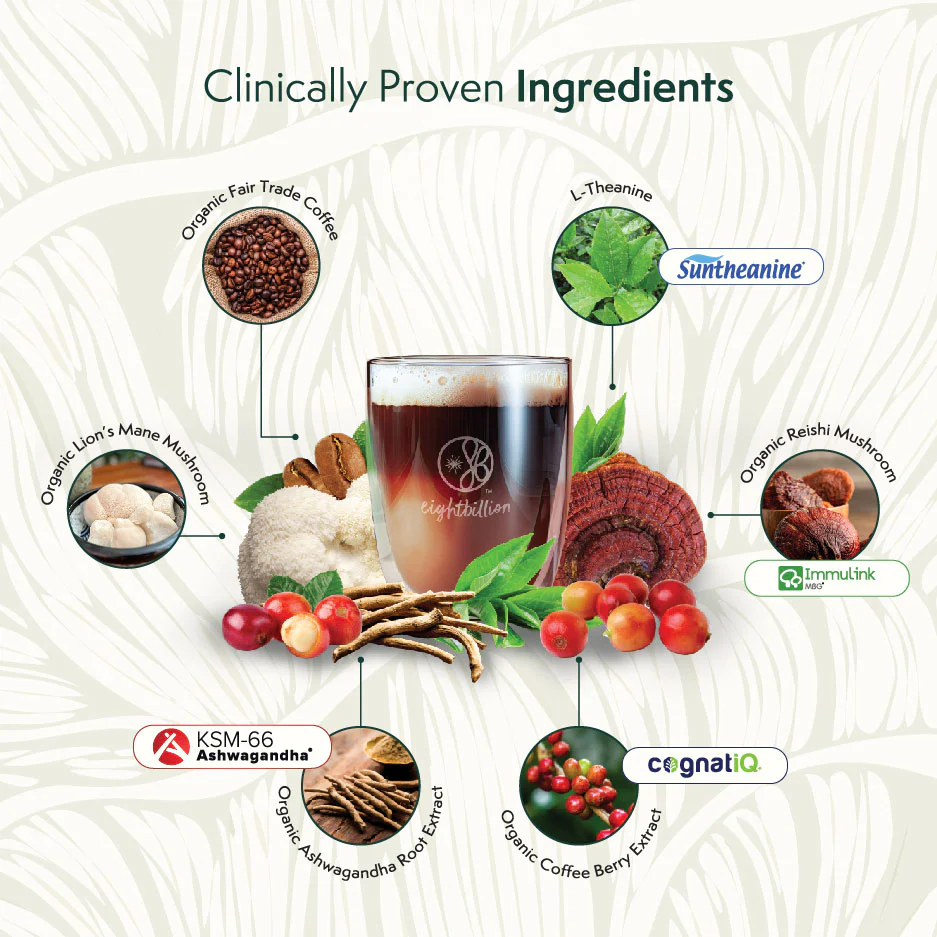
Among the notable components of ryze mushroom coffee ingredients, lion’s mane often receives attention. This mushroom is known for its distinctive, shaggy appearance and has been used historically in various traditional wellness systems.
In powdered form, lion’s mane integrates easily into beverages. Its flavor is generally mild, allowing it to blend well with roasted coffee notes.
The inclusion of this mushroom contributes to the product’s identity as a functional beverage rather than a standard cup of coffee.
Ryze Mushroom Coffee Ingredients and Cordyceps
Cordyceps is another element sometimes associated with ryze mushroom coffee ingredients. Traditionally found growing in high-altitude regions, this mushroom has been valued in certain herbal traditions.
When processed into a fine powder, cordyceps becomes suitable for beverage blends. Its earthy flavor complements roasted coffee beans, adding subtle depth without overwhelming the mixture.
The presence of cordyceps highlights the blend’s connection to traditional plant-based ingredients.
Ryze Mushroom Coffee Ingredients and Reishi
Reishi is often included in ryze mushroom coffee ingredients for its long-standing cultural significance. Sometimes referred to as a “mushroom of longevity” in traditional contexts, reishi has been part of herbal preparations for centuries.
Its flavor profile tends to be slightly bitter, which pairs naturally with coffee’s inherent bitterness. When balanced correctly, it contributes complexity to the beverage without overpowering it.
The addition of reishi underscores the blend’s emphasis on combining coffee with botanical elements.

Ryze Mushroom Coffee Ingredients and Turkey Tail
Turkey tail mushrooms are occasionally part of ryze mushroom coffee ingredients. Recognizable by their layered, fan-like shape, they have a long history of use in various cultures.
In powdered form, turkey tail integrates smoothly into coffee blends. The flavor is relatively neutral, allowing it to support the overall formulation without altering the dominant taste.
This ingredient contributes to the diversity of mushroom species represented in the blend.
Ryze Mushroom Coffee Ingredients and Shiitake
Shiitake mushrooms are widely known in culinary settings, but they also appear in discussions about ryze mushroom coffee. While commonly used in cooking, shiitake can also be dried and powdered for beverage formulations.
Its mild, savory profile blends well with roasted coffee, adding subtle undertones. The inclusion of shiitake further broadens the mushroom spectrum within the product.
Ryze Mushroom Coffee Ingredients and Adaptogenic Herbs
Beyond mushrooms, ryze mushroom coffee may include plant-based adaptogenic herbs. Adaptogens are botanical substances traditionally associated with helping the body adapt to stress.
Examples in various blends may include ingredients like ashwagandha or rhodiola. These herbs are typically added in powdered form to maintain consistency within the beverage.
Their inclusion reflects a growing consumer interest in multifunctional drinks.
Ryze Mushroom Coffee Ingredients and MCT Oil Powder
Another component sometimes found among ryze mushroom coffee is MCT oil powder. Medium-chain triglycerides are fats commonly derived from coconut oil.
In powdered form, MCT oil integrates easily into beverages without requiring blending. It contributes a creamy texture and can enhance mouthfeel.
The addition of MCT powder changes the texture profile, making the drink smoother and more substantial compared to plain black coffee.
Ryze Mushroom Coffee Ingredients and Coconut Milk Powder

Coconut milk powder is often associated with ryze mushroom coffas a dairy-free creamer alternative. It provides a natural creaminess and subtle sweetness.
This ingredient makes the beverage convenient, eliminating the need to add separate milk or cream. It also supports plant-based dietary preferences.
Coconut milk powder complements both coffee and mushroom flavors.
Ryze Mushroom Coffee Ingredients and Natural Flavor Balancing
Balancing flavor is essential in ryze mushroom coffee ingredients. Combining earthy mushroom powders with roasted coffee requires careful formulation.
Manufacturers may adjust ratios to ensure that the final product maintains a familiar taste profile while incorporating botanical complexity.
This balancing act determines whether the beverage appeals to traditional coffee drinkers exploring alternatives.
Ryze Mushroom Coffee Ingredients and Caffeine Levels
Caffeine content is an important consideration within ryze mushroom coffee ingredients. Because the blend includes coffee but may reduce the proportion compared to standard brews, caffeine levels are often moderated.
Lower caffeine levels can appeal to individuals seeking a gentler energy experience. The exact amount depends on formulation and serving size.
Understanding caffeine content helps consumers choose products aligned with their tolerance.
Ryze Mushroom Coffee Ingredients and Sourcing Considerations
Sourcing plays a role in shaping ryze mushroom coffee ingredients. Organic certification, cultivation methods, and processing standards influence quality perception.
Consumers increasingly prioritize transparency in ingredient sourcing. Ethical harvesting and sustainable farming practices contribute to brand trust.
Ingredient origin impacts both environmental considerations and product consistency.
Ryze Mushroom Coffee Ingredients and Processing Methods
Processing methods are integral to maintaining the integrity of ryze mushroom coffee ingredients. Mushrooms are typically dried at controlled temperatures to preserve structure before being ground into powder.
Coffee beans are roasted separately before blending. Combining powders requires careful mixing to ensure even distribution.
Quality control during processing supports consistent flavor and texture.
Ryze Mushroom Coffee Ingredients and Dietary Preferences
Dietary compatibility is another factor linked to ryze mushroom coffee ingredients. Many blends are formulated to be vegan, dairy-free, and gluten-free.
Plant-based creamers and mushroom powders align with these dietary preferences. Clear labeling supports informed consumer decisions.
Compatibility with various diets expands the product’s audience.
Ryze Mushroom Coffee Ingredients and Packaging Stability
Packaging influences how well ryze mushroom coffee ingredients maintain freshness. Moisture-resistant containers and resealable pouches help preserve flavor.
Powdered blends are sensitive to humidity and air exposure. Proper packaging extends shelf life and protects ingredient integrity.
Storage conditions can affect aroma and texture over time.
Ryze Mushroom Coffee Ingredients and Preparation Methods
Preparation simplicity is a practical aspect of ryze mushroom coffee ingredients. Many blends are designed to dissolve easily in hot water.
Some consumers prefer frothing or blending for a smoother texture. The powdered format offers versatility for customization.
Ease of preparation supports daily use.
Conclusion: A Comprhensive Look at Ryze Mushroom Coffee Ingredients
Exploring ryze mushroom coffee ingredients reveals a blend that combines traditional coffee with a variety of functional mushrooms and plant-based additives. From lion’s mane and reishi to coconut milk powder and MCT oil, each component contributes to the overall profile of the beverage.
Understanding the composition helps consumers evaluate taste expectations, dietary compatibility, and sourcing practices. As interest in alternative beverages grows, ingredient transparency remains essential.
By examining what goes into the blend, individuals can make informed decisions aligned with their preferences and lifestyle choices.
