


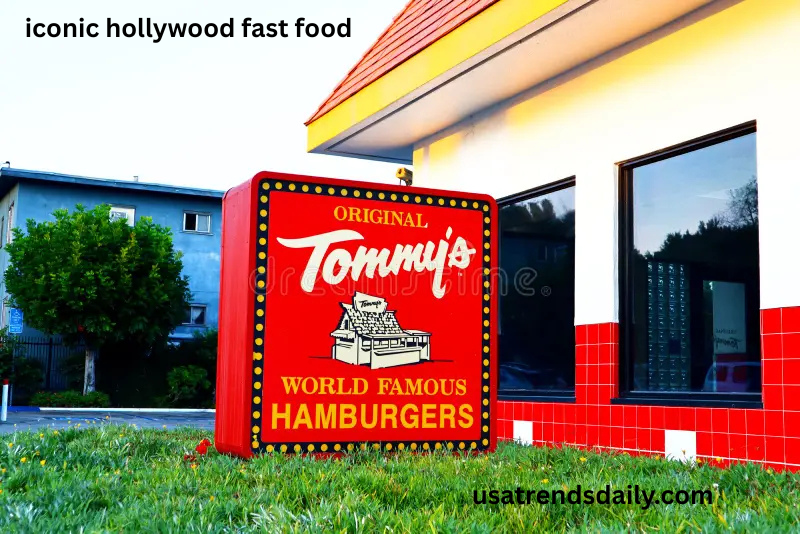
Hollywood has always influenced global culture through movies, fashion, and celebrity lifestyles. Yet one surprising area of impact lies in something far more relatable: food. Over decades, certain meals, diners, burgers, and milkshakes have become etched into cinematic memory. These edible appearances transcend simple product placement; they become symbols of character identity, nostalgia, and cultural moments. When discussing iconic Hollywood fast food, we are not only talking about real-life chains but also fictional eateries and unforgettable on-screen scenes that have shaped how audiences perceive fast food itself.
From drive-in diners glowing under neon lights to paper-wrapped burgers eaten during dramatic monologues, fast food in Hollywood represents convenience, youth culture, rebellion, and comfort. This article explores how iconic Hollywood fast food has evolved, how it influences audiences, and why it continues to hold a powerful place in cinematic storytelling.
The Origins of Iconic Hollywood Fast Food in Cinema
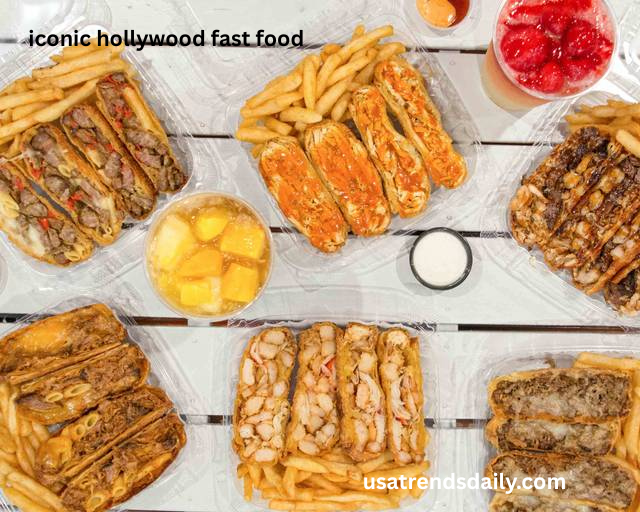
The relationship between Hollywood and fast food began as early as mid-twentieth-century films, when roadside diners symbolized freedom and mobility. America’s car culture expanded rapidly after World War II, and movies reflected this transformation. Drive-ins, burger joints, and soda fountains became social hubs for teenagers and young adults.
Films such as American Graffiti showcased drive-in culture as a central backdrop. Neon signs, jukeboxes, and burgers formed an atmosphere of nostalgia and youthful rebellion. Fast food settings allowed filmmakers to capture casual conversations, romantic tension, and generational shifts in a relatable way.
As cinema progressed into the 1980s and 1990s, fast food settings became even more common. Whether characters were grabbing fries during a road trip or bonding over milkshakes, these scenes reinforced the accessibility and universality of fast food culture. Over time, these portrayals solidified the concept of iconic Hollywood fast food as a storytelling device rather than mere background scenery.
Fictional Eateries and Iconic Hollywood Fast Food Moments
Some of the most memorable examples of iconic Hollywood fast food are fictional establishments created specifically for films. These locations often feel so authentic that audiences wish they existed in real life.
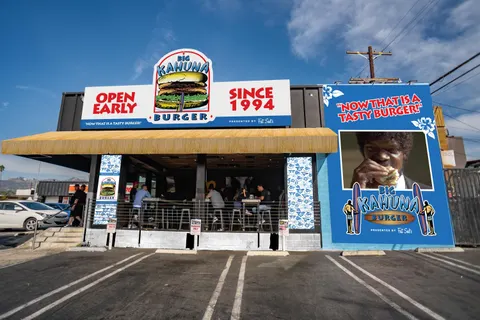
A perfect example is the Big Kahuna Burger featured in Pulp Fiction. Though fictional, the brand became a pop culture phenomenon. The simple act of a character eating a burger during an intense conversation transformed a routine fast food item into a symbol of cinematic coolness. The scene demonstrated how everyday food could heighten tension and reveal character dynamics.
Another fictional standout appears in Coming to America with McDowell’s, a parody fast food chain. The humor derived from its resemblance to real-world corporations, highlighting themes of aspiration and cultural adaptation. McDowell’s became an enduring joke and tribute within Hollywood history.
These fictional examples prove that iconic Hollywood fast food does not require real-world branding. Sometimes, creative storytelling alone can elevate a burger or milkshake into legend.
Real-Life Chains and Iconic Hollywood Fast Food
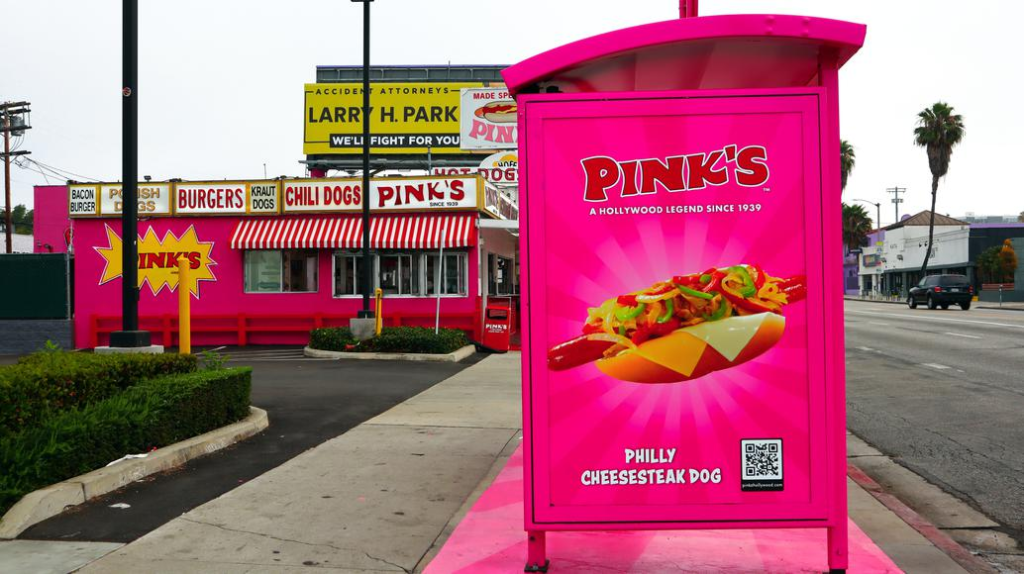
While fictional brands are memorable, real fast food chains have also achieved iconic status through their Hollywood appearances. One notable example is McDonald’s, which has been featured in countless films and television shows. Its golden arches often symbolize familiarity, globalization, and everyday life.
In The Founder, the story behind McDonald’s expansion into a global empire was dramatized, giving audiences insight into corporate ambition and franchise culture. This film transformed the brand from a simple fast food provider into a symbol of entrepreneurial success and controversy.
Another chain deeply connected to iconic Hollywood fast food is In-N-Out Burger. Frequently referenced by celebrities and featured in Los Angeles–based films, it represents West Coast identity. Its understated menu and loyal fan base contribute to its legendary reputation within the entertainment industry.
Through repeated cinematic exposure, these real-life brands have become intertwined with Hollywood storytelling.
Iconic Hollywood Fast Food as a Character-Building Tool
Fast food scenes often serve as subtle character development tools. A character’s choice of meal can reflect personality, background, or emotional state. For instance, a stressed detective grabbing a quick burger between cases suggests urgency and dedication. Meanwhile, teenagers sharing fries might symbolize friendship and youthful innocence.
In The Devil Wears Prada, even brief references to fast food underscore themes of indulgence and self-control within a high-pressure environment. Food becomes symbolic of rebellion against strict lifestyle expectations.
Similarly, in Iron Man, Tony Stark’s request for fast food after captivity humanizes a larger-than-life superhero. The simple desire for a familiar meal grounds the character, reminding audiences of his ordinary cravings despite extraordinary circumstances.
These examples demonstrate how iconic Hollywood fast food functions beyond aesthetics. It adds emotional layers and relatability to complex characters.
The Role of Diners in Iconic Hollywood Fast Food Culture
Classic American diners occupy a unique space within Hollywood history. Though not always strictly “fast food,” they share the same quick-service spirit and cultural symbolism.
The diner scene in When Harry Met Sally remains one of the most quoted moments in romantic comedy history. The casual restaurant setting contrasts with the emotional intensity of the conversation, amplifying humor and authenticity.
In Grease, the diner becomes a vibrant social stage. Milkshakes, burgers, and jukebox tunes combine to create an atmosphere that defines an era. These scenes reinforce the diner as a cornerstone of iconic Hollywood fast food imagery.
Diners often symbolize comfort, routine, and community. Their recurring presence in films reinforces their cultural significance within the fast food narrative.
Product Placement and Iconic Hollywood Fast Food
Product placement has played a major role in establishing iconic Hollywood fast food. Brands recognize the marketing power of cinema and invest heavily in on-screen appearances.
Sometimes these placements are subtle, appearing in the background of scenes. Other times, they become central to the plot. When executed effectively, product placement enhances realism without distracting viewers.
For example, the appearance of fast food chains in action films grounds high-stakes scenarios in everyday settings. Audiences subconsciously connect the fictional world to their own experiences, increasing immersion.
However, excessive branding can feel forced. The most successful examples of iconic Hollywood fast food blend seamlessly into storytelling, maintaining narrative authenticity.
Nostalgia and Iconic Hollywood Fast Food
Nostalgia significantly contributes to the enduring appeal of iconic Hollywood fast food. Many viewers associate certain films with personal memories of sharing similar meals with friends or family.
Retro-themed movies frequently highlight vintage fast food aesthetics—red vinyl booths, checkered floors, and chrome accents. These visuals evoke simpler times and communal experiences.
Reboots and sequels often revisit beloved food-related scenes to tap into nostalgia. By recreating familiar diner settings or referencing classic chains, filmmakers strengthen emotional bonds with longtime fans.
Nostalgia transforms ordinary meals into emotional anchors within cinematic history.
Cultural Impact of Iconic Hollywood Fast Food
The global influence of Hollywood means that its portrayal of fast food extends beyond American borders. International audiences often view these scenes as representations of American lifestyle and culture.
The recurring image of characters grabbing burgers after high school games or during road trips shapes perceptions of freedom and youth. Even viewers in distant countries may associate fast food with cinematic adventure.
Additionally, celebrity endorsements and social media amplify this effect. When actors publicly praise certain chains, fans connect those endorsements with on-screen experiences, reinforcing the brand’s iconic status.
Iconic Hollywood fast food thus becomes a cultural export, blending entertainment with consumer behavior.
Evolution of Iconic Hollywood Fast Food in Modern Cinema
Contemporary films approach fast food with greater nuance. Health awareness, environmental concerns, and corporate ethics increasingly influence storytelling.
Documentaries and dramas sometimes critique fast food culture, examining labor practices and dietary implications. This shift adds complexity to previously lighthearted portrayals.
At the same time, fast food remains a convenient narrative tool. In superhero films, romantic comedies, and thrillers alike, characters continue to gather around quick meals as plotlines unfold.
The duality of celebration and critique reflects evolving societal attitudes. Iconic Hollywood fast food remains relevant because it adapts alongside cultural change.
The Future of Iconic Hollywood Fast Food
Looking ahead, the relationship between Hollywood and fast food is likely to persist. Streaming platforms and global productions provide new opportunities for cross-promotional storytelling.
Virtual reality and interactive media may further integrate branded experiences into cinematic worlds. Viewers could one day order meals inspired by on-screen scenes through digital platforms, blending fiction and reality seamlessly.
Plant-based alternatives and eco-friendly packaging might also shape future depictions. As audiences prioritize sustainability, films may highlight innovative fast food options that align with contemporary values.
Regardless of direction, iconic Hollywood fast food will continue serving as both narrative device and cultural mirror.
Conclusion: Why Iconic Hollywood Fast Food Endures
Iconic Hollywood fast food represents more than burgers and fries. It embodies nostalgia, character development, cultural identity, and cinematic artistry. From fictional chains like Big Kahuna Burger to real-world giants such as McDonald’s and In-N-Out Burger, fast food has become inseparable from Hollywood storytelling.
Through memorable scenes in films like Pulp Fiction, Grease, and Iron Man, quick-service meals transcend their practical purpose. They reveal personalities, heighten drama, and anchor narratives in relatable experiences.
As cinema evolves, so too will its portrayal of fast food. Yet the core appeal remains constant: shared meals create shared memories. Whether in a neon-lit diner or a bustling drive-thru, iconic Hollywood fast food continues to connect audiences to stories—and to each other—through the universal language of flavor and familiarity.
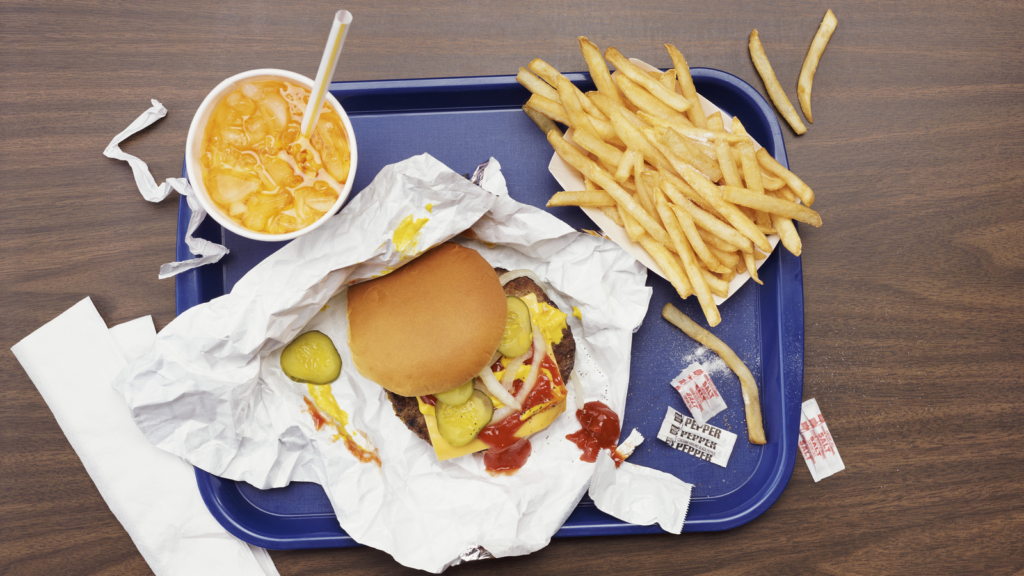
In the end, the magic of movies often lies in the small details. A wrapped burger, a paper cup of soda, or a basket of fries can carry symbolic weight far beyond their ingredients. That enduring power ensures that iconic Hollywood fast food will remain a deliciously memorable part of film history for generations to come.
