


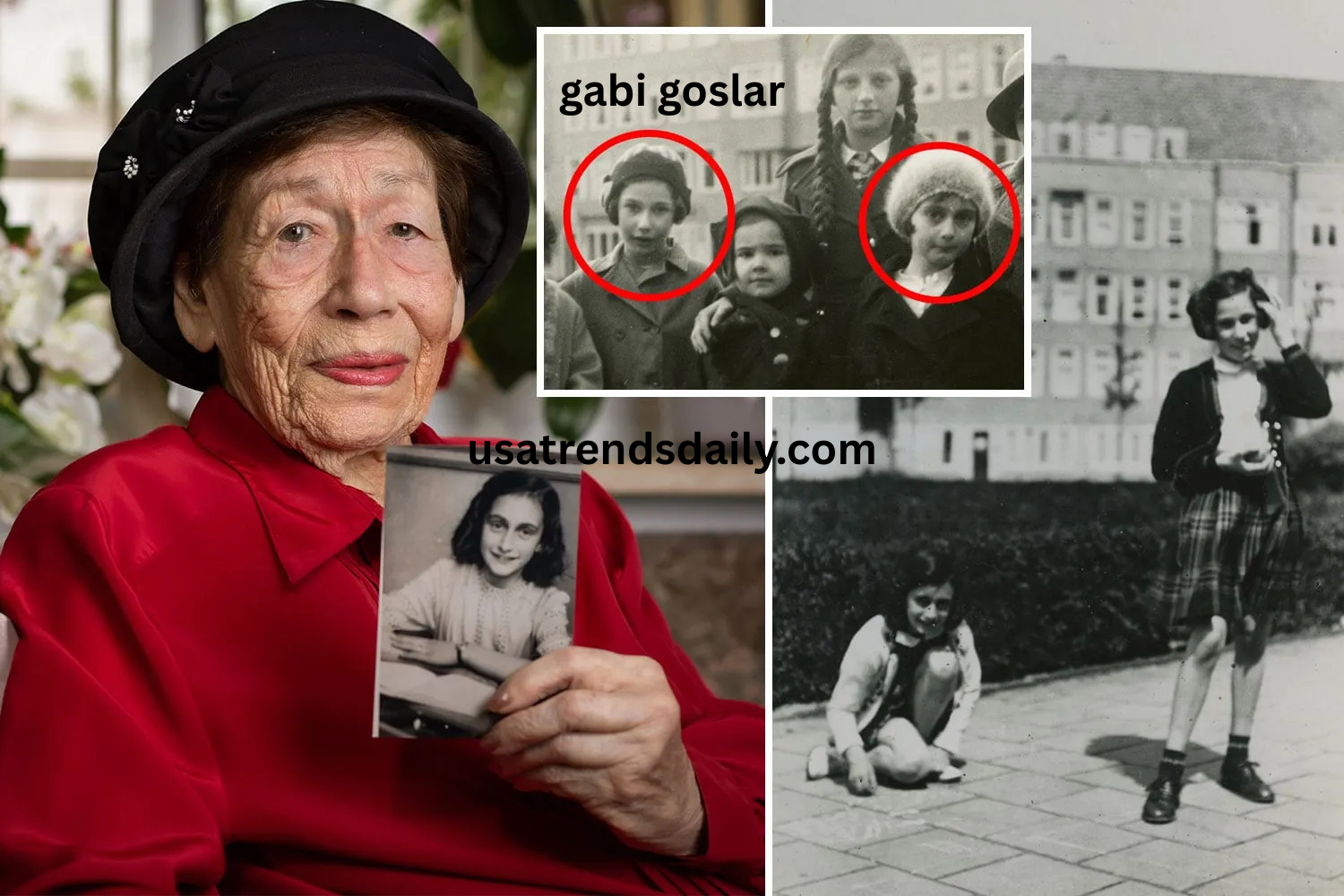
Gabi Goslar is a name closely connected to one of the most discussed historical diaries in the world and to the legacy of a friendship formed during one of the darkest periods of the twentieth century. Though she did not seek global attention for herself, Gabi Goslar became widely known because of her childhood friendship with Anne Frank and her lifelong commitment to preserving memory and sharing personal testimony about the Holocaust. Her life story spans continents, cultures, war, displacement, and resilience. Understanding Gabi Goslar means understanding not only her connection to Anne Frank but also her own independent journey, her survival, and the meaningful role she has played in education and remembrance.
This article explores Gabi Goslar’s early life, her friendship with Anne Frank, her experiences during World War II, her life after the war, and her ongoing contributions to historical awareness. Through her personal recollections and public speaking, Gabi Goslar has helped humanize history and deepen global understanding of the Holocaust.
Early Life of Gabi Goslar

Gabi Goslar was born in Berlin, Germany, into a Jewish family during a time of rising antisemitism and political unrest. Her father served in a prominent religious role, and her family was rooted in Jewish tradition and community life. Like many Jewish families in Germany in the early 1930s, the Goslars faced increasing discrimination following the rise of Adolf Hitler and the Nazi regime.
As the situation worsened for Jewish citizens, Gabi Goslar’s family decided to leave Germany in search of safety. They relocated to Amsterdam in the Netherlands, a move that mirrored the decision of another German Jewish family who would later become deeply connected to Gabi Goslar’s life: the Frank family. Amsterdam at that time seemed like a place of refuge, offering relative stability and freedom compared to Nazi Germany.
In Amsterdam, Gabi Goslar began building a new life. She attended school, made friends, and slowly adjusted to her new surroundings. Among the children she met was Anne Frank. Their friendship would become one of the most poignant elements of Gabi Goslar’s life story.
Gabi Goslar and Her Friendship with Anne Frank
The friendship between Gabi Goslar and Anne Frank began in childhood, long before the world knew Anne Frank as the author of a diary that would become one of the most widely read books in history. Gabi Goslar and Anne met in kindergarten and quickly formed a close bond. They attended the same school and shared many typical childhood experiences—games, conversations, and the ordinary joys of youth.
Gabi has often described Anne as lively, energetic, and talkative. Anne had a vivid imagination and a strong personality, traits that later became evident in her diary. The two girls, despite their differences in temperament, enjoyed a warm and affectionate friendship. They spent time together at school and in their neighborhood, unaware of how dramatically their lives would soon change.
When the Nazis occupied the Netherlands in 1940, restrictions on Jewish families began to tighten. Jewish children were required to attend separate schools, wear identifying stars, and adhere to numerous regulations that limited their freedoms. Gabi Goslar and Anne Frank continued their friendship during this period, but fear and uncertainty increasingly shaped their daily lives.
In 1942, Anne Frank and her family went into hiding in what later became known as the Secret Annex. Goslar did not know where Anne had gone. She assumed that Anne and her family had fled or disappeared like many other Jewish families during that time. It was not until much later that she learned the truth about Anne’s hiding place.
Gabi Goslar During the War
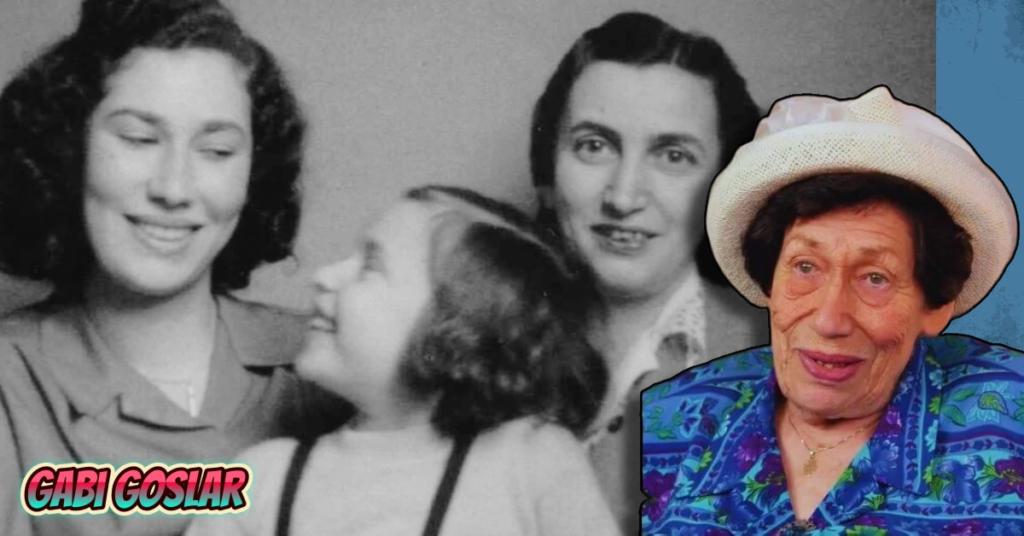
The experience of Gabi during World War II was marked by loss, separation, and survival. In 1943, Gabi Goslar and her family were arrested by the Nazis. They were eventually deported to the Bergen-Belsen concentration camp. The conditions in the camp were harsh, with overcrowding, disease, hunger, and constant fear dominating daily life.
It was at Bergen-Belsen that Gabi had a brief but unforgettable encounter with Anne Frank. Anne and her sister Margot had been transferred to the same camp after their hiding place was discovered. Gabi learned that Anne was in a different section of the camp and attempted to reach her. Because the camp was divided by fences and barbed wire, the girls could not see each other clearly at first.
Eventually, they managed to speak through the fence. Goslar later recounted how Anne appeared thin, exhausted, and weakened by illness. The conversation was short and difficult, but it remains one of the most emotionally powerful memories Gabi Goslar has shared publicly. She attempted to pass food and clothing over the fence to Anne, but the chaos and desperation in the camp made even these small acts of kindness challenging.
This meeting would be the last time Gabi Goslar saw Anne Frank. Anne died in Bergen-Belsen in early 1945, just weeks before the camp was liberated. Gabi Goslar survived.
Survival and Life After Liberation for Gabi Goslar
In 1945, Bergen-Belsen was liberated by British forces. By that time, the camp was devastated by disease and starvation. GaGoslar survived, though she was physically weakened and emotionally scarred by her experiences. Her survival marked the beginning of a new chapter, but the trauma of the war would remain with her for life.
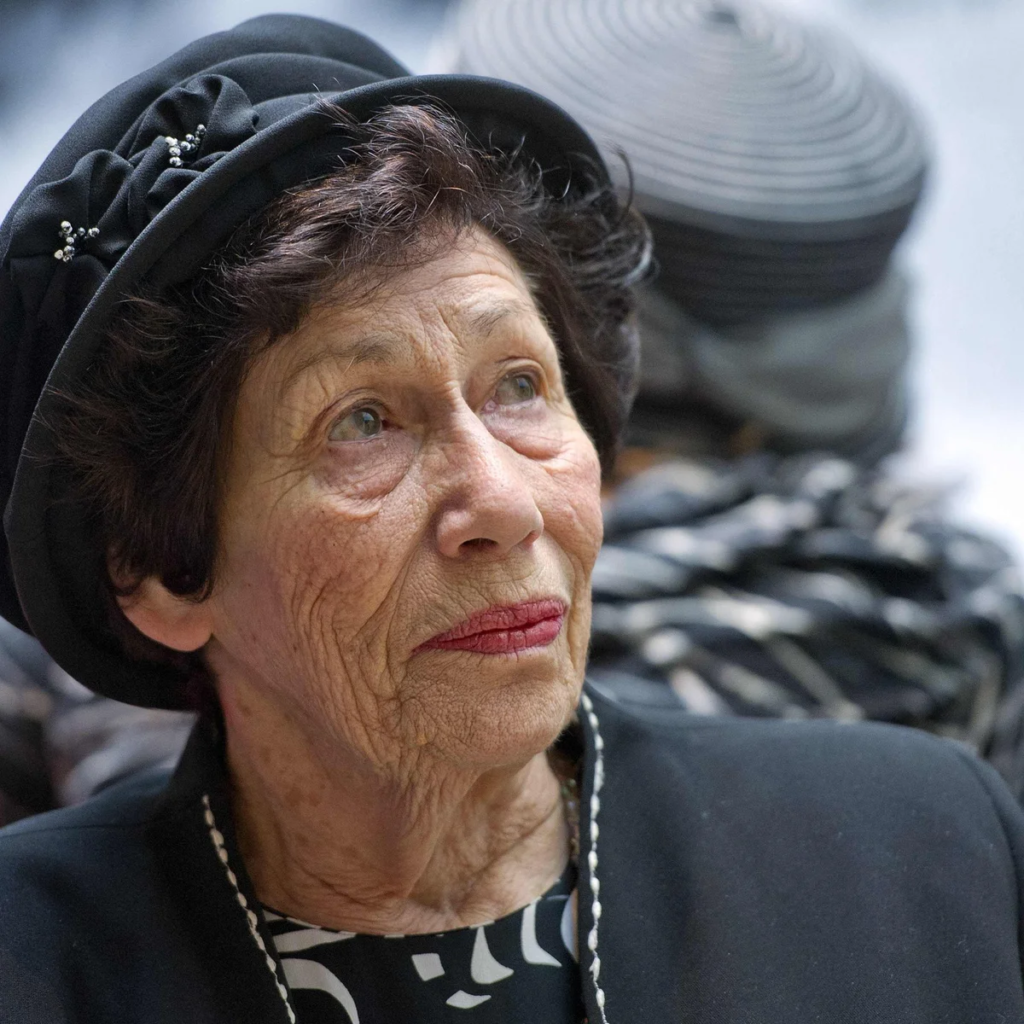
After the war, Gabi Goslar reunited with her father and sister. Like many survivors, she had to rebuild her life from almost nothing. Eventually, she emigrated to what was then Palestine and later became Israel. There, she created a new home and raised a family.
Gabi Goslar pursued studies and built a life rooted in community and resilience. Though she did not initially speak widely about her experiences, over time she recognized the importance of sharing her story. As Anne Frank’s diary gained global recognition following its publication by Otto Frank, interest in those who had known Anne personally increased. Goslar became one of the last living links to Anne’s childhood.
Gabi Goslar as a Witness and Educator
As the years passed, Gabi took on the role of witness and educator. She traveled to various countries to speak about her experiences during the Holocaust and her friendship with Anne Frank. Her testimony offered a deeply personal perspective that complemented the historical record.
While Anne Frank’s diary provides insight into life in hiding, Gabi recollections illuminate what happened in the camps and what it meant to survive. Through lectures, interviews, and educational programs, Gabi emphasized themes of tolerance, remembrance, and moral responsibility.
She often spoke about the importance of combating hatred and discrimination. By sharing her memories, Gabi Goslar sought to ensure that younger generations understood the consequences of prejudice and authoritarianism. Her voice added a human dimension to history textbooks, transforming abstract numbers into lived experience.
The Historical Significance of Gabi Goslar
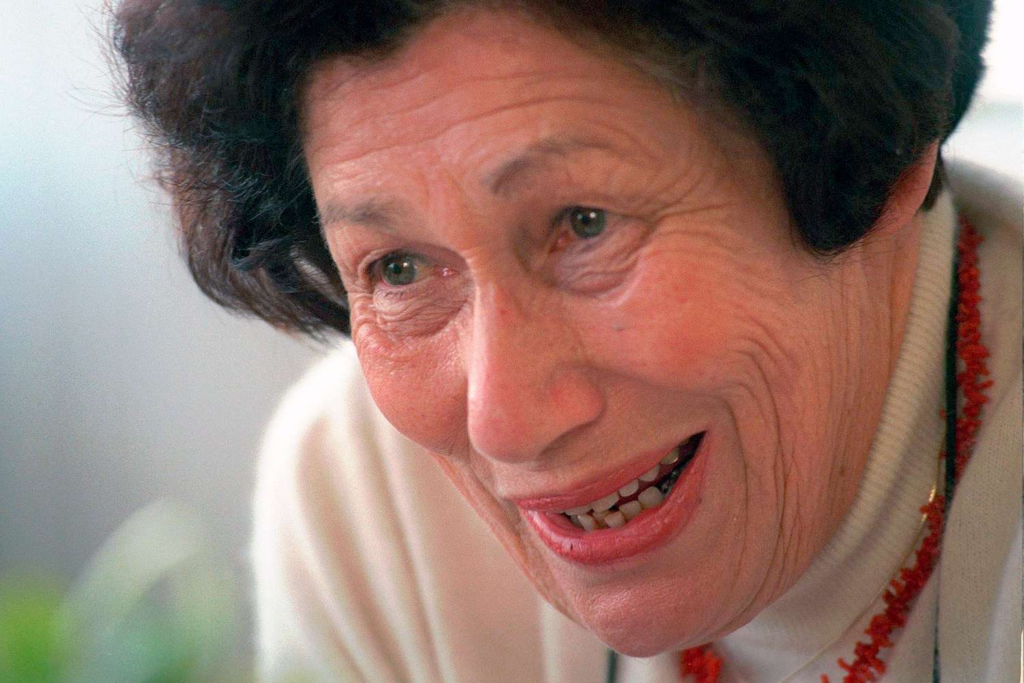
The historical significance of Gabi lies not only in her connection to Anne Frank but also in her unique testimony. As one of the few individuals who knew Anne both before and during the Holocaust, Gabi Goslar provided rare insight into Anne’s personality beyond the diary.
Historians and educators value firsthand accounts because they preserve nuance and authenticity. Gabi Goslar’s descriptions of childhood life in Amsterdam, the sudden imposition of Nazi rules, and the shocking transition to camp life help paint a fuller picture of the era. Her memories confirm and expand upon what is known from written records.
Moreover, Gabi survival represents the resilience of individuals who endured unimaginable hardship. She transformed personal tragedy into a mission of education, ensuring that the past would not be forgotten. In this way, her role extends beyond memory into active engagement with contemporary society.
Gabi Goslar and the Legacy of Memory
Memory plays a central role in the story of Gabi Goslar. As time passes and the number of Holocaust survivors decreases, the responsibility of remembrance becomes more urgent. Gabi Goslar has often expressed the belief that storytelling is a moral duty.
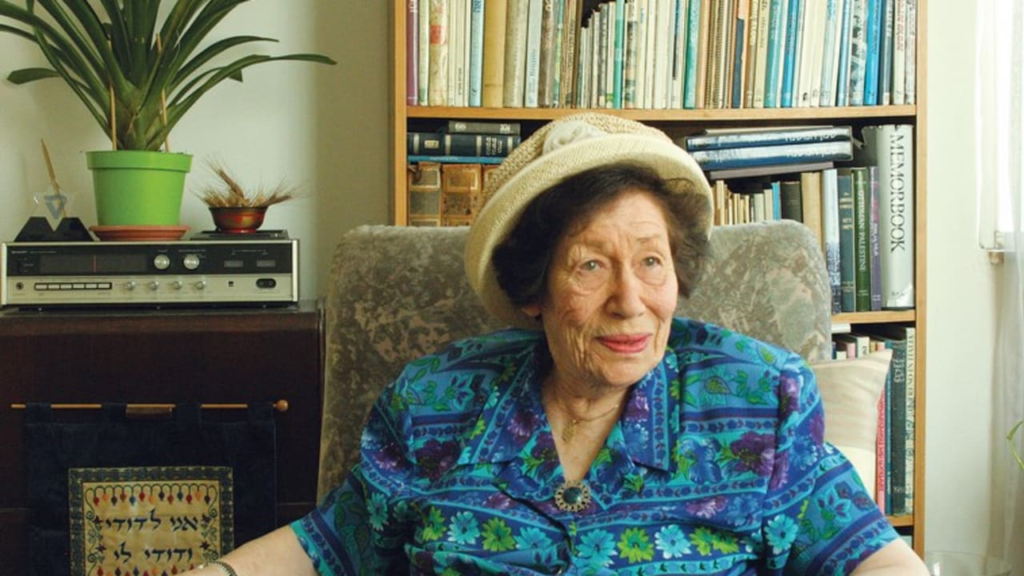
Her narrative intersects with one of the most famous memoirs in history, yet she has consistently maintained her own voice. Rather than allowing her identity to be defined solely by her friendship with Anne Frank, Gabi Goslar has presented her life as a complete and independent journey. This balanced perspective enriches public understanding of the Holocaust.
Through interviews and public appearances, Gabi Goslar has addressed audiences ranging from schoolchildren to scholars. Her emphasis on empathy and human dignity resonates across cultures and generations. By recounting both joyful childhood memories and painful wartime experiences, she reminds listeners that history is made up of real people, not distant abstractions.
Personal Reflections Shared by Gabi Goslar
In various interviews, Gabi Goslar has reflected on the emotional complexity of surviving when so many others did not. Survivor’s guilt, grief, and reflection have shaped her outlook. She has spoken about the challenge of reconciling memories of playful childhood days with the brutality of camp life.
Gabi Goslar’s reflections often highlight the fragility of normal life. She describes how quickly ordinary routines can be disrupted by political extremism. Her childhood in Berlin and Amsterdam seemed typical at first, filled with school, friends, and family. Yet within a few years, that normalcy disappeared.
By sharing these reflections, Gabi Goslar encourages vigilance against intolerance and hatred. Her story serves as a reminder that discrimination can escalate rapidly if left unchecked. This perspective makes her testimony relevant not only as historical documentation but also as a cautionary tale.
The Enduring Impact of Gabi Goslar
The enduring impact of Gabi Goslar lies in her dedication to remembrance and education. As one of the last surviving childhood friends of Anne Frank, she has carried a unique responsibility. Her efforts ensure that Anne Frank is remembered not only as a symbol but also as a real person—a friend, a classmate, a young girl with dreams and fears.
Beyond this connection, Gabi Goslar’s life stands as a testament to resilience. She survived persecution, rebuilt her life, and devoted herself to teaching others. Her story has appeared in documentaries, books, and educational programs, contributing to a broader understanding of Holocaust history.
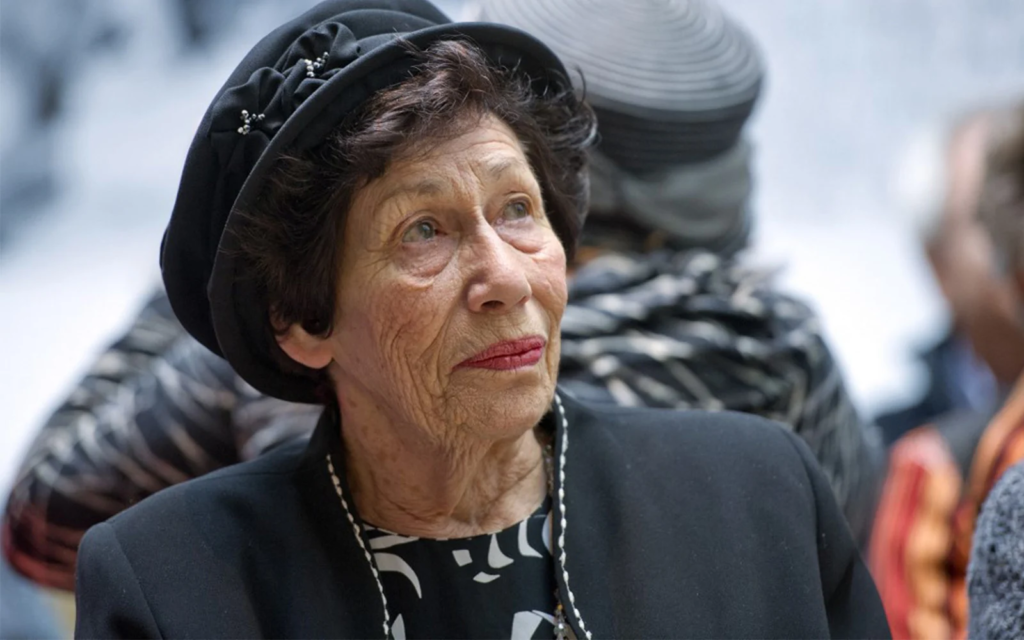
As the world continues to confront issues of prejudice and division, the voice of Gabi Goslar remains significant. Her experiences demonstrate the human cost of hatred and the power of compassion. By continuing to speak and share her memories, she reinforces the importance of historical awareness.
Conclusion: Remembering Gabi Goslar
Gabi Goslar’s life encompasses friendship, loss, survival, and responsibility. From her childhood in Berlin and Amsterdam to her harrowing experiences in Bergen-Belsen, she has witnessed some of the most profound events of the twentieth century. Her friendship with Anne Frank connects her to one of the most influential diaries ever written, but her own story carries independent weight and meaning.
Through decades of testimony and public engagement, Gabi Goslar has ensured that personal memory remains central to Holocaust education. She has transformed painful experiences into lessons about humanity, dignity, and resilience. As time moves forward, her contributions continue to shape how future generations understand the past.
In remembering Gabi Goslar, we remember not only a historical witness but also a person who chose to turn survival into service. Her story encourages reflection, empathy, and commitment to a more just world.
