



The phrase destination smokehouse represents more than just a place to eat. It symbolizes a culinary journey where food lovers travel specifically to experience authentic smoked meats, rich flavors, and traditional barbecue techniques. In recent years, barbecue culture has evolved from simple backyard cooking to a full-scale dining experience that attracts enthusiasts from around the world.
A destination smokehouse is typically known for its slow-cooked meats, signature sauces, and welcoming atmosphere that reflects regional traditions. Whether located in a bustling city or a small countryside town, these establishments often become landmarks for travelers searching for unforgettable meals.
Food tourism has expanded dramatically in the modern era, and barbecue restaurants have played a significant role in that trend. Many people now plan entire trips around visiting iconic smokehouses that offer distinctive flavors and cooking methods. Understanding the concept of destination smokehouse helps explain why these establishments have become cultural and culinary attractions.
The History Behind Destination Smokehouse Culture
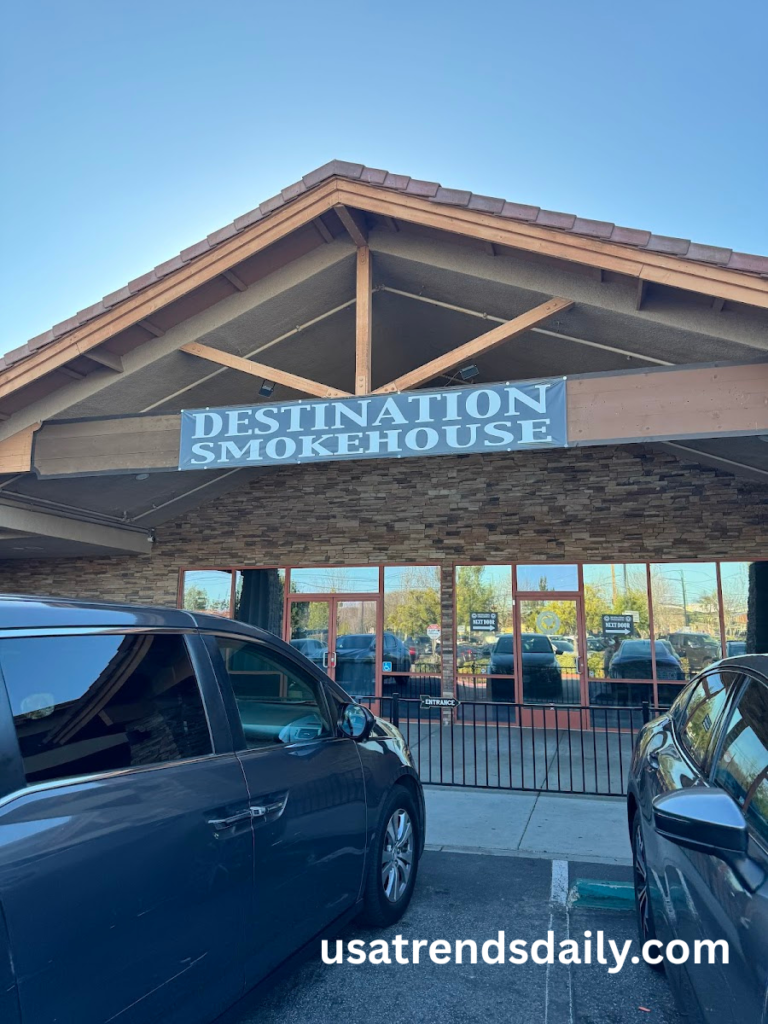
The story of the destination smokehouse begins with the long tradition of smoking meat as a preservation method. Centuries ago, people discovered that slow cooking over wood smoke not only preserved food but also enhanced its flavor. Over time, these techniques evolved into a celebrated cooking style.
Barbecue traditions developed in different regions around the world. In the United States, for example, various states became famous for unique approaches to smoked meats. Some areas specialize in brisket, while others focus on ribs, pulled pork, or smoked sausage.
As these regional styles gained popularity, certain barbecue restaurants became widely recognized for their exceptional quality. Travelers started visiting them specifically to taste their signature dishes. This transformation turned ordinary barbecue spots into destination smokehouse experiences that attracted visitors from far beyond the local community.
What Makes a Destination Smokehouse Unique

Not every barbecue restaurant qualifies as a destination smokehouse. Several characteristics set these establishments apart from typical dining spots.
First, authenticity plays a major role. A true smokehouse uses traditional smoking methods rather than shortcuts. Wood-fired pits, carefully selected hardwoods, and hours of slow cooking create flavors that cannot be replicated quickly.
Second, consistency is essential. Visitors often travel long distances expecting a memorable meal. Maintaining the same quality every day ensures that the reputation of the destination smokehouse remains strong.
Third, atmosphere contributes to the overall experience. Many smokehouses emphasize rustic décor, open kitchens, or outdoor seating that highlights the smoking process. This immersive environment allows guests to feel connected to the craft of barbecue.
Finally, community reputation helps elevate a restaurant into a destination. Word-of-mouth recommendations, positive reviews, and culinary awards often bring national attention to these establishments.
The Cooking Techniques Used in a Destination Smokehouse
The heart of every destination smokehouse lies in its cooking techniques. Smoking meat is a delicate balance between heat, time, and flavor.
Pitmasters carefully control temperature to ensure that meat cooks slowly without drying out. This process can take anywhere from several hours to an entire day depending on the cut of meat. Low and slow cooking breaks down tough connective tissues, creating tender and juicy results.
Different types of wood contribute distinct flavor profiles. Oak, hickory, mesquite, and fruitwoods are commonly used in smoking. Each wood adds subtle variations that influence the final taste.
Seasonings also play a crucial role. Many smokehouses develop proprietary spice rubs that enhance the natural flavors of the meat. These blends often combine salt, pepper, paprika, garlic, and other spices.
Through these techniques, a destination smokehouse delivers complex flavors that keep guests coming back for more.
Popular Menu Items Found in a Destination Smokehouse
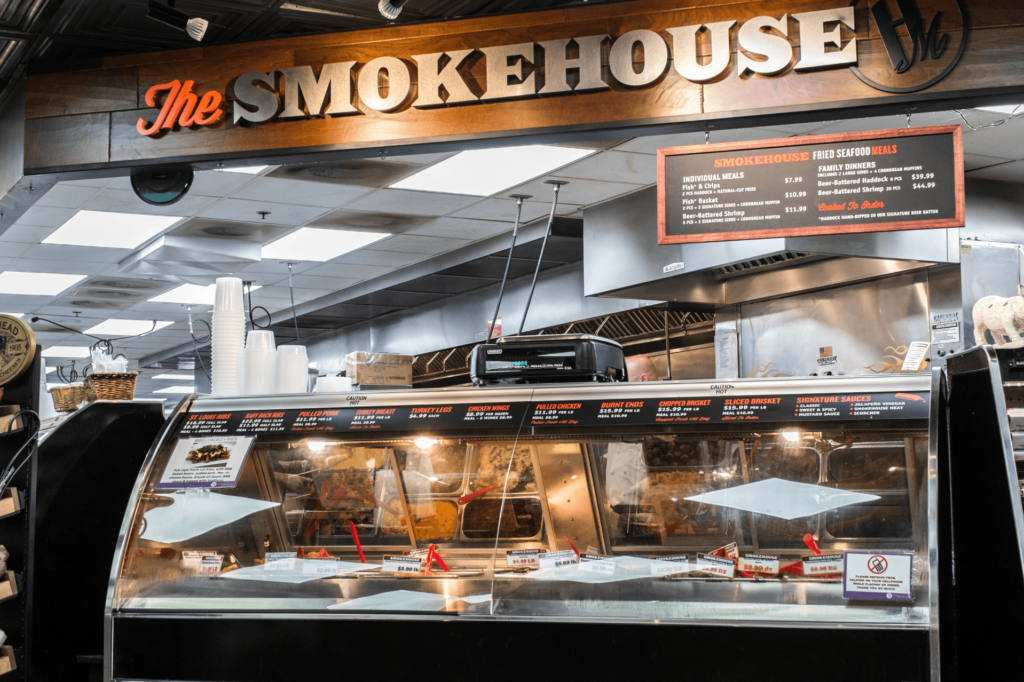
Visitors to a destination smokehouse can expect a menu filled with classic barbecue favorites and creative smoked dishes. Some of the most popular items include brisket, ribs, pulled pork, and smoked chicken.
Brisket is often considered the ultimate test of a pitmaster’s skill. Properly smoked brisket features a flavorful bark on the outside and tender, juicy meat inside. Achieving this balance requires patience and expertise.
Ribs are another crowd favorite. Whether served dry-rubbed or glazed with sauce, smoked ribs deliver rich flavor and satisfying texture.
Pulled pork is known for its versatility. Slow-smoked pork shoulder is shredded and typically served on sandwiches or alongside traditional sides.
Many destination smokehouses also offer specialty items such as smoked turkey, sausage, and even smoked vegetables. These menu options showcase the versatility of the smoking process.
Side Dishes That Complete the Destination Smokehouse Experience
While smoked meats are the centerpiece of a destination smokehouse, side dishes play an important supporting role. Classic barbecue sides add variety and complement the rich flavors of the main dishes.
Coleslaw is one of the most common accompaniments. Its crisp texture and tangy dressing provide a refreshing contrast to smoky meats.
Baked beans are another staple. Slow-cooked with spices and sometimes bits of smoked meat, they add depth and sweetness to the meal.
Cornbread often appears on smokehouse menus as well. Its slightly sweet flavor pairs well with savory barbecue dishes.
Other popular sides include macaroni and cheese, potato salad, and grilled vegetables. Together, these dishes create a balanced and satisfying dining experience.
Destination Smokehouse as a Food Tourism Attraction
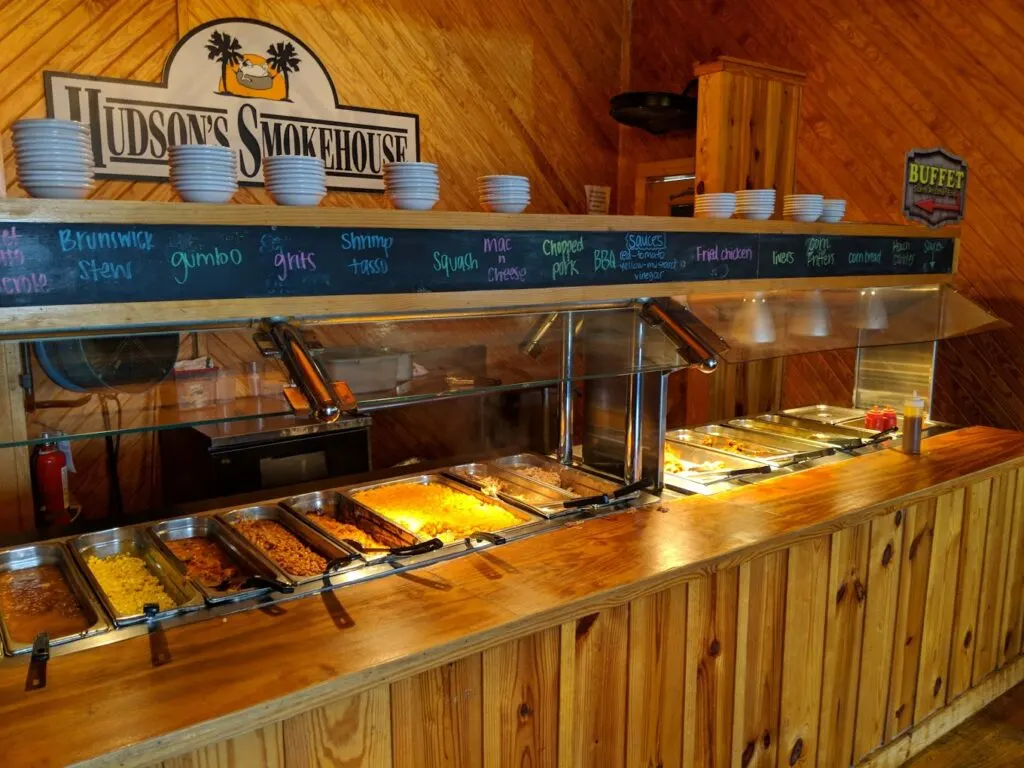
The concept of destination smokehouse is closely linked to the rise of food tourism. Travelers increasingly seek unique culinary experiences that reflect local culture and traditions.
Barbecue restaurants that achieve widespread recognition often become key attractions within their regions. Visitors may travel hundreds of miles just to taste a famous brisket or rack of ribs.
Food festivals and barbecue competitions further boost interest in smokehouse destinations. These events bring together pitmasters, chefs, and enthusiasts who celebrate the art of smoking meat.
Tourism boards sometimes promote local smokehouses as part of regional food trails. These routes encourage travelers to explore multiple restaurants while learning about different barbecue styles.
The Role of Pitmasters in a Destination Smokehouse
Behind every successful destination smokehouse is a skilled pitmaster. These culinary experts dedicate years to mastering the art of smoking meat.
A pitmaster must understand how temperature, smoke, and seasoning interact. They monitor the cooking process closely, making adjustments to ensure perfect results.
Many pitmasters develop their own signature techniques and recipes. These personal touches help differentiate one smokehouse from another.
In addition to cooking skills, pitmasters often act as ambassadors for barbecue culture. They share their knowledge through demonstrations, interviews, and community events.
Their dedication and expertise play a crucial role in maintaining the reputation of a destination smokehouse.
Community Impact of a Destination Smokehouse

A thriving destination smokehouse can have a significant impact on its local community. Popular restaurants attract visitors who also support nearby businesses such as hotels, shops, and entertainment venues.
Local farmers and suppliers may benefit as well. Many smokehouses source ingredients from regional producers, strengthening the local economy.
Employment opportunities also increase as successful restaurants expand their teams. Kitchen staff, servers, and hospitality workers all contribute to the overall experience.
In some cases, a well-known smokehouse becomes a symbol of local pride. Residents take pride in sharing their community’s culinary heritage with visitors from around the world
Challenges Faced by a Destination Smokehouse
Despite their popularity, operating a destination smokehouse comes with challenges. Maintaining high-quality standards requires significant time, resources, and expertise.
Smoking meat is a labor-intensive process that demands constant attention. Pitmasters often start cooking early in the morning or even overnight to prepare food for the day.
Supply chain issues can also affect operations. High-quality meat and hardwood fuel must be sourced consistently to maintain flavor and authenticity.
Competition within the restaurant industry adds another layer of difficulty. New barbecue establishments open regularly, and maintaining a strong reputation requires ongoing innovation and dedication.
The Future of the Destination Smokehouse
Looking ahead, the future of the destination smokehouse appears promising. As interest in artisanal food and traditional cooking methods continues to grow, smokehouses are likely to remain popular dining destinations.
Some restaurants are experimenting with modern techniques while still honoring classic barbecue traditions. For example, chefs may introduce international flavors or creative smoked dishes.
Technology is also influencing the industry. Advanced temperature monitoring systems help pitmasters maintain precise cooking conditions.
Sustainability is becoming an important consideration as well. Many smokehouses are exploring eco-friendly practices such as responsibly sourced wood and locally produced ingredients.
These innovations ensure that the destination smokehouse concept continues evolving while preserving its rich culinary heritage.
Conclusion: Why Destination Smokehouse Experiences Matter
The idea of a destination smokehouse goes far beyond serving delicious food. It represents tradition, craftsmanship, and the shared enjoyment of slow-cooked meals.
From historic barbecue techniques to modern culinary innovations, smokehouses continue to capture the imagination of food lovers everywhere. Travelers seek them out not only for their flavors but also for the stories and communities behind them.
As food tourism grows and appreciation for authentic cooking deepens, destination smokehouse establishments will likely remain essential parts of the global culinary landscape.
Ultimately, a destination smokehouse offers something special that cannot be rushed or mass-produced: the authentic taste of patience, skill, and passion crafted over slow-burning wood fires.
