


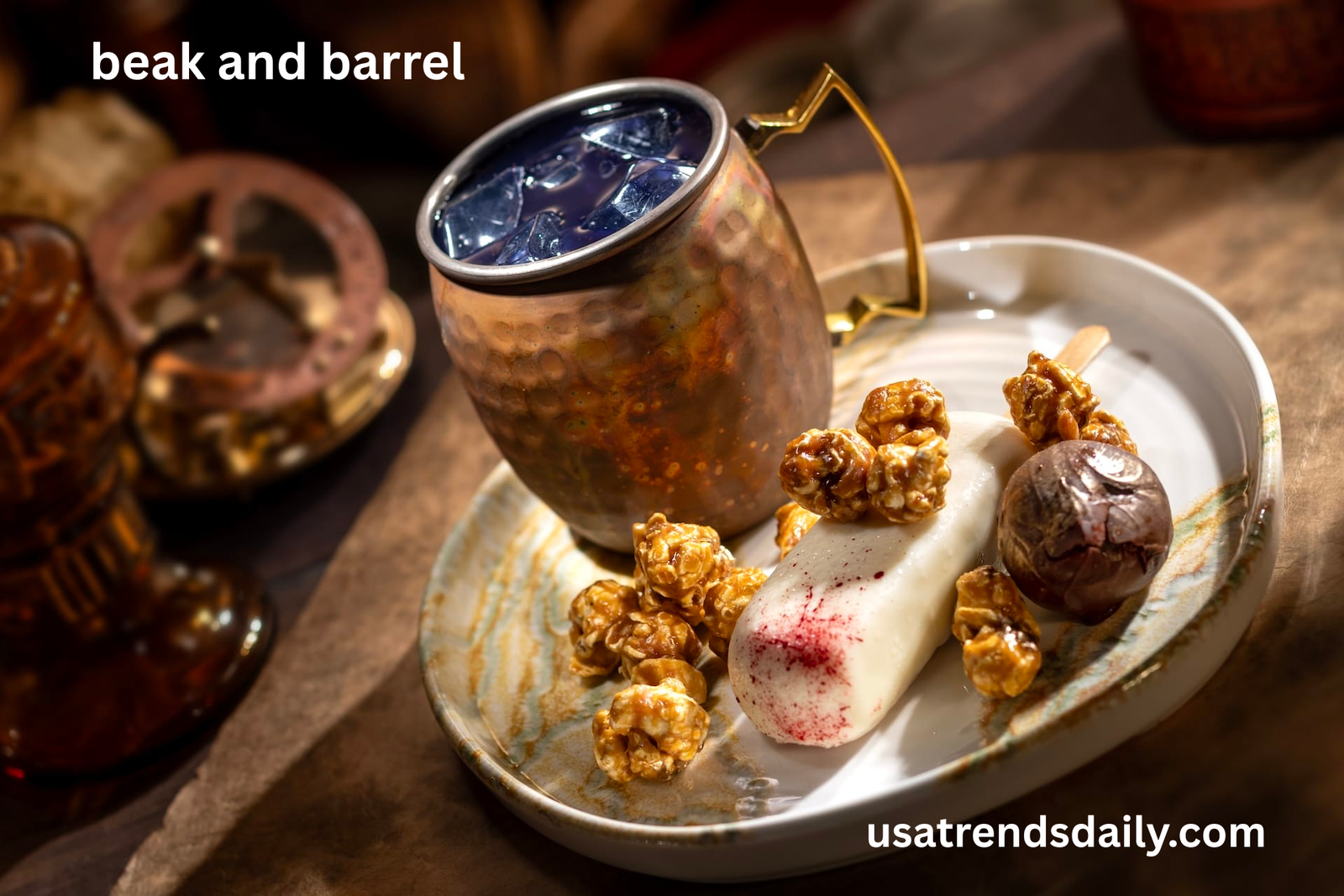
The phrase beak and barrel carries a rustic charm that immediately sparks curiosity. It sounds like the name of a countryside tavern, a hunting lodge, a culinary brand, or even a boutique lifestyle concept. Its dual imagery—one natural and organic, the other crafted and traditional—creates a blend that feels both grounded and refined.
In today’s branding landscape, memorable names matter more than ever. “Beak and barrel” stands out because it combines two powerful symbols: the beak, often associated with birds, wildlife, and precision, and the barrel, typically linked to aging, craftsmanship, and heritage. Together, they evoke stories of nature meeting tradition.
This article explores the origins, symbolism, business potential, cultural associations, and modern interpretations of beak and barrel, examining how this phrase can represent far more than its literal components.
The Symbolic Meaning Behind Beak and Barrel
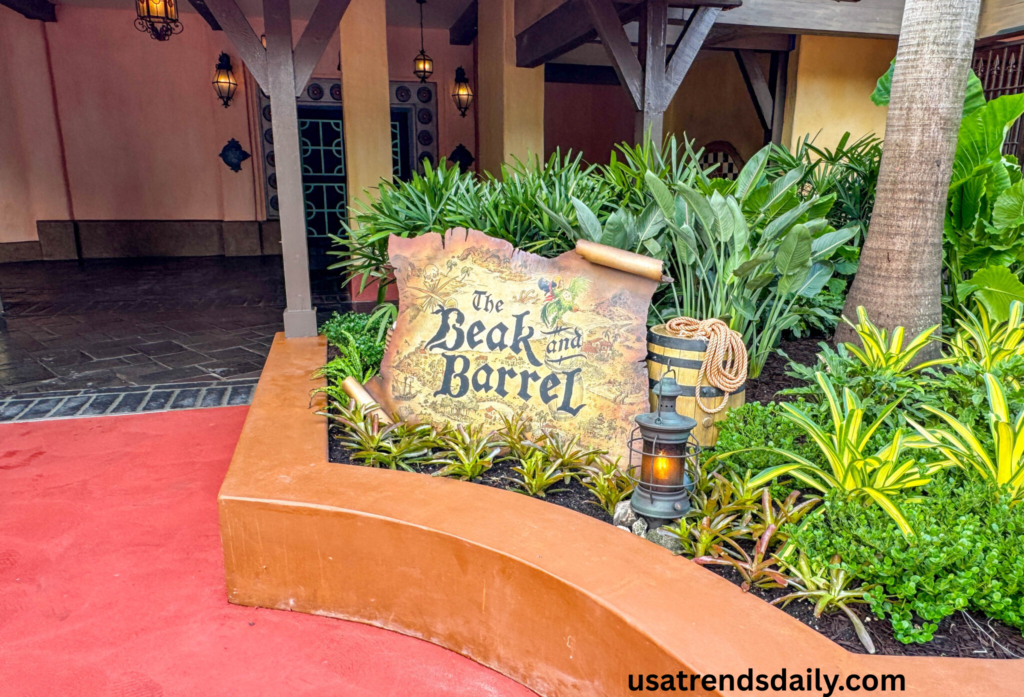
At first glance, beak and barrel appears to be a simple combination of words. Yet, symbolism gives it depth.
A beak is commonly associated with birds—freedom, perspective, survival instincts, and adaptation. Birds rely on their beaks for nourishment and defense. Symbolically, it represents resourcefulness and connection to nature.
A barrel, on the other hand, carries connotations of aging, storage, craftsmanship, and tradition. Barrels are used to age wine, whiskey, and other spirits, enhancing flavor and character over time. They symbolize patience, heritage, and artisanal quality.
When combined, beak and barrel suggests harmony between the wild and the refined, between instinct and craftsmanship. This duality is likely why the phrase resonates strongly in branding and storytelling contexts.
Beak and Barrel as a Brand Identity Concept
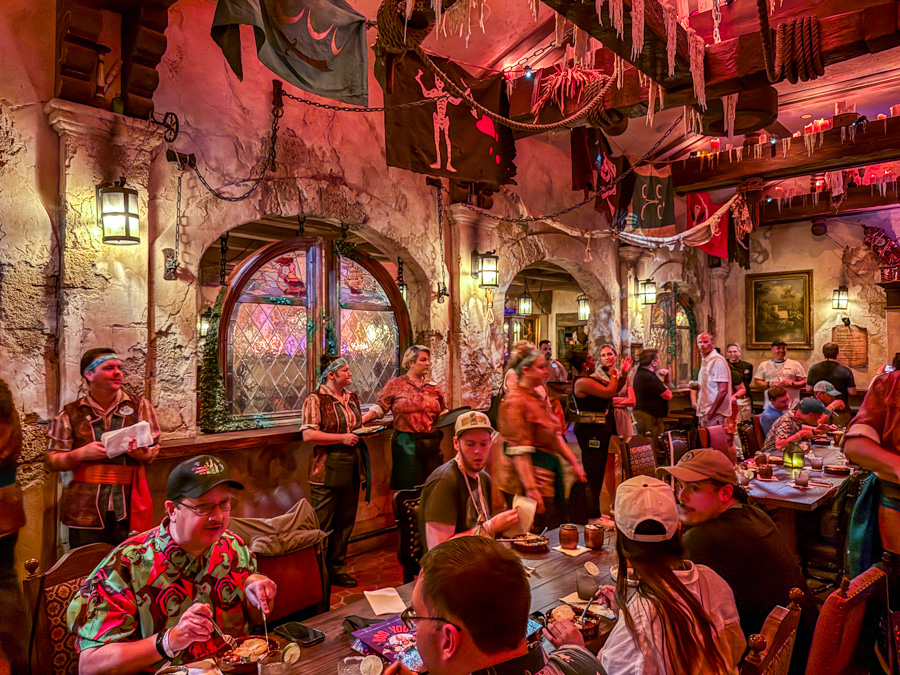
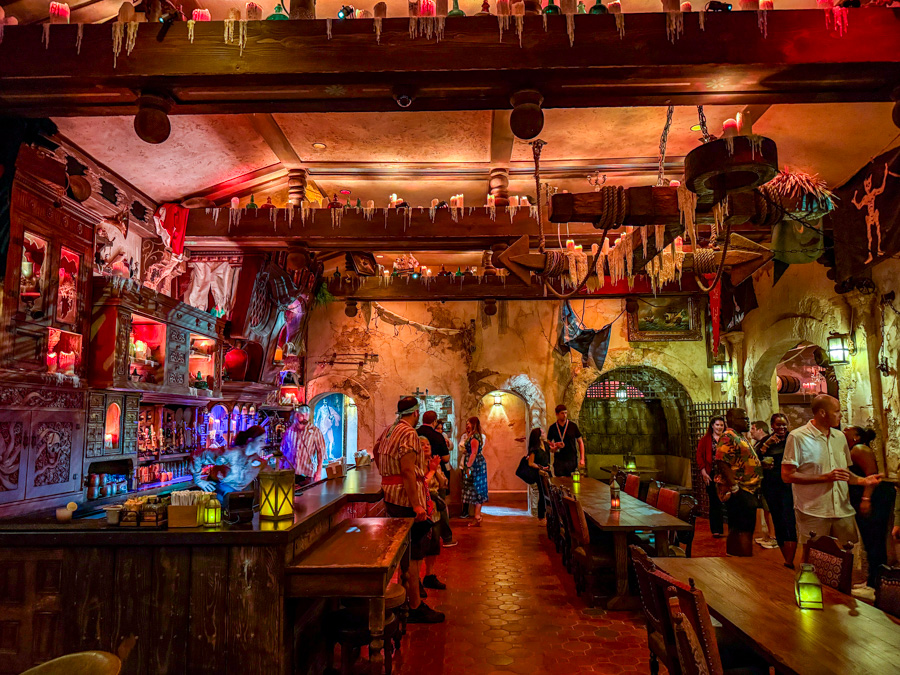
In branding, names that evoke imagery often perform better than abstract terms. Beak and barrel instantly paints a scene: perhaps a rustic pub with wooden interiors, mounted bird motifs, and shelves lined with aged spirits.
Businesses in hospitality, brewing, hunting gear, farm-to-table restaurants, or outdoor apparel could effectively adopt this phrase. It communicates authenticity and tradition while remaining memorable.
Many successful brands rely on evocative combinations of natural and crafted elements. For example, wineries and distilleries frequently use barrel imagery to highlight aging processes. Similarly, wildlife-inspired names create emotional resonance with audiences who value authenticity.

The versatility of beak and barrel makes it adaptable across industries while retaining a cohesive theme.
The Historical Inspiration Behind Beak and Barrel
Although “beak and barrel” is not tied to a single historical event, both components have deep historical roots.
Barrels have been used for centuries in Europe and beyond to transport goods, particularly wine and ale. The craft of barrel-making, known as cooperage, was once a highly respected trade. Aging beverages in wooden barrels became synonymous with quality and sophistication.
Bird symbolism, represented by the beak, has ancient significance in mythology and folklore. In Roman culture, birds were considered omens. In medieval Europe, falconry symbolized nobility and skill.
Combining these historical threads, beak and barrel can evoke a timeless atmosphere—one that feels rooted in tradition yet alive in modern interpretation.
Beak and Barrel in Culinary and Hospitality Settings
One of the most natural uses for barrel is within the culinary world. The phrase conjures images of hearty meals, roasted game, artisanal breads, and barrel-aged beverages.
A restaurant named Barrel might specialize in farm-sourced poultry dishes paired with aged wines or craft beers. The name signals a menu focused on authenticity and craftsmanship.
The barrel component suggests a curated drink selection—perhaps oak-aged whiskey, barrel-fermented beer, or small-batch spirits. Meanwhile, the beak element hints at poultry-based specialties or wild game offerings.
This balanced identity allows hospitality venues to create cohesive branding, interior design themes, and storytelling narratives that connect guests to tradition.
Beak and Barrel and the Rise of Craft Culture
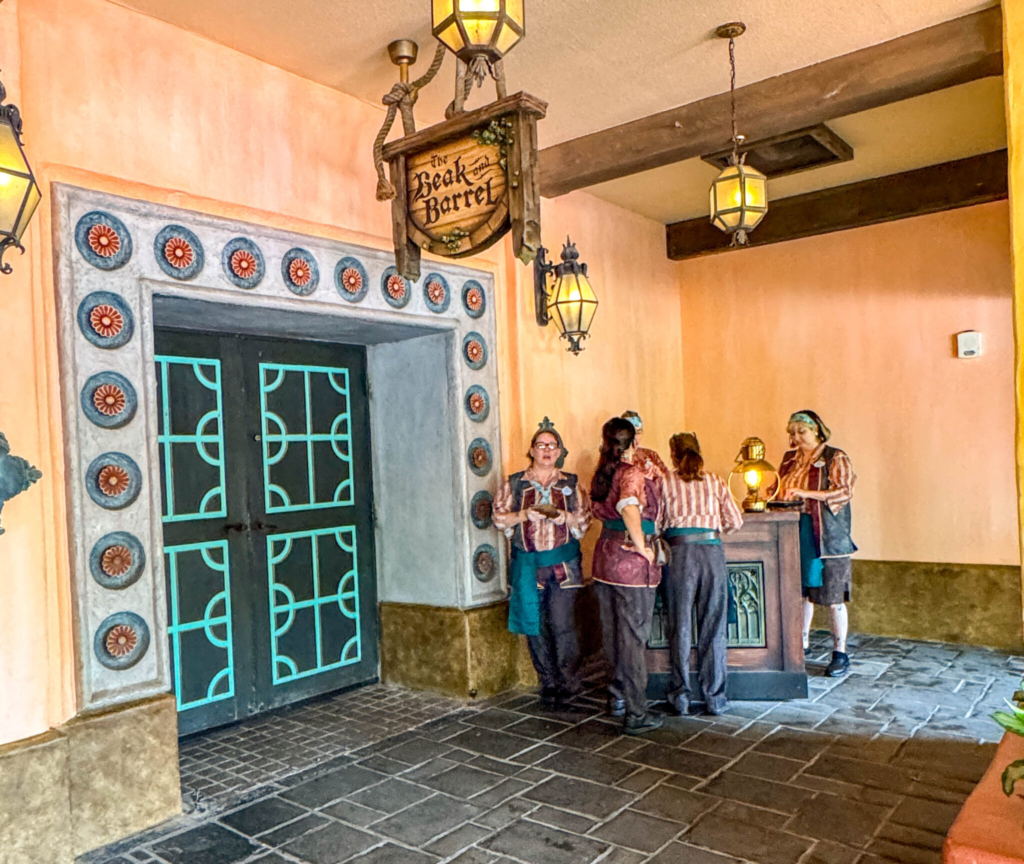
Modern consumers increasingly appreciate handcrafted goods and authentic experiences. Craft breweries, artisanal bakeries, and small-batch distilleries have reshaped the food and beverage industry.
barrel aligns seamlessly with this movement. The phrase implies small-scale production, attention to detail, and heritage techniques. It appeals to customers seeking meaningful consumption rather than mass-produced products.
Barrel-aging processes have become particularly popular in craft brewing. Barrel-aged stouts, sours, and ales command premium prices due to their complexity. A brand built around barrel could easily capitalize on this trend.
The beak element further complements the ethos of farm-to-table dining, reinforcing ideas of sustainability and local sourcing.
Beak and Barrel in Outdoor and Lifstyle Branding
Beyond food and drink barrel also suits outdoor lifestyle brands. Hunting gear, bird-watching equipment, rustic apparel, or countryside retreats could adopt this name effectively.
The beak symbolizes wildlife and natural observation, while the barrel can suggest traditional tools, such as those used in rural craftsmanship.
In a lifestyle context, beak and barrel could represent a return to simpler living—connecting with nature, enjoying handcrafted goods, and appreciating timeless traditions.
Brands built around these values often cultivate loyal communities. Customers identify not only with products but also with philosophies of sustainability and heritage.
Beak and Barrel as a Creative Storytelling Platform
Storytelling is central to modern marketing. A phrase like barrel offers rich narrative possibilities.
Imagine a fictional origin story: a countryside inn founded by a family of bird enthusiasts and winemakers, combining their passions into a single establishment. Or a brewery that draws inspiration from migratory birds and seasonal barrel aging.
Narratives strengthen brand memorability. Consumers remember stories more easily than product descriptions. Beak and barrel lends itself naturally to myth-making and thematic cohesion.
Through consistent imagery—wooden textures, avian motifs, aged metals—a brand can create immersive experiences rooted in this dual symbolism.
The Aesthetic Appeal of Beak and Barrel
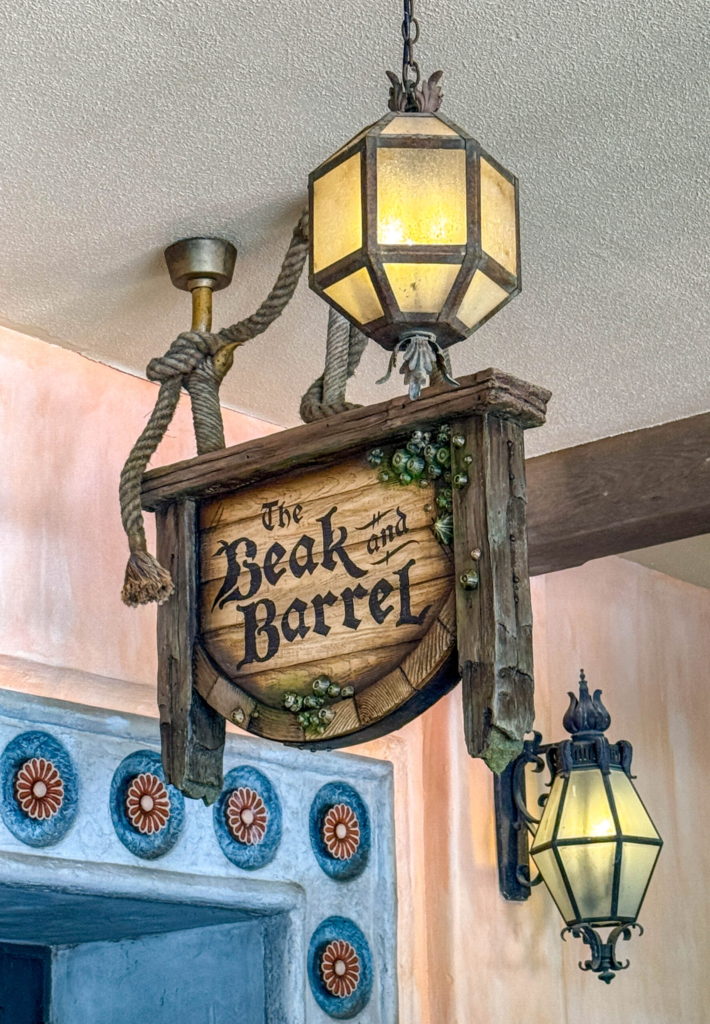
Visual identity plays a crucial role in recognition. Beak evokes strong aesthetic cues.
Logos might feature a stylized bird perched atop a wooden barrel. Color palettes could include earthy browns, deep burgundies, forest greens, and rustic golds.
Interior design inspired by this phrase might incorporate reclaimed wood, exposed brick, and wrought iron accents. Such design choices reinforce the themes of tradition and authenticity.
Even packaging benefits from this imagery. Labels designed with feather patterns and woodgrain textures create tactile appeal, enhancing consumer engagement.
Beak and Barrel and Community Building
Successful brands often extend beyond products to foster communities. Beak l has the warmth and familiarity necessary to build loyal followings.
A restaurant or brewery under this name could host birdwatching events, wine tastings, seasonal festivals, or countryside markets. By blending nature and craft, the brand could attract diverse audiences.
Community-oriented marketing strengthens emotional connections. Customers who feel included are more likely to return and recommend the brand to others.
The inclusive, rustic feel of beak and barrel supports tis community-building potential.
Beak and Barrel in Digital Marketin Strategy
In digital spaces, distinctive keywords improve visibility. Beak and barrel is unique enough to stand out in search results, yet broad enough to allow creative flexibility.
Search engine optimization benefits from memorable phrases. When paired with strong content marketing—blogs about barrel aging, wildlife conservation, or culinary techniques—a brand can build authority online.
Social media platforms also reward visually appealing content. Photos of wooden barrels, plated poultry dishes, and scenic landscapes naturally align with the imagery suggested by beak
Consistent storytelling across digital channels ensures cohesive brand identity.
Beak and Barrel and Sustainability Values
Modern consumers increasingly prioritize sustainability. The natural associations of beak and barrel align well with eco-conscious messaging.
Sourcing ingredients locally, using reclaimed wood for decor, and implementing eco-friendly packaging all reinforce the phrase’s natural and traditional connotations.
Sustainability narratives deepen brand trust. When businesses demonstrate genuine commitment to environmental stewardship, customers respond positively.
The symbolism of birds and wooden barrels naturally supports environmental storytelling, making beak barrel a strong foundation for responsible brandig.
The Emotional Resonance of Beak and Barrel
Beyond business considerations, beak barrel resonates emotionally. It suggests warmth, comfort, and familiarity.
People associate barrels with aging wine shared among friends, and birds with peaceful countryside mornings. The combination evokes gatherings, tradition, and hospitality.
Emotional resonance strengthens brand loyalty. When a phrase triggers positive imagery, it becomes easier to remember and recommend.
Beak barrel captures this emotional balance between wilderness and refinement, instinct and craftsmanship.
Future Possibilities for Beak and Barrel
Looking ahead, the potential applications of beak barrel remain expansive. It could evolve into a hospitality chain, an artisanal product line, or even a storytelling-driven lifestyle brand.
As consumer preferences continue shifting toward authenticity and sustainability, names rooted in heritage and nature will likely remain appealing.
Innovation could also shape its evolution. For instance, integrating modern technology—such as digital tasting experiences or augmented reality storytelling—into a traditionally themed brand could create unique hybrid experiences.
The adaptability of beak and barrel ensures longevity in changing markets.
Conclusion: Why Beak and Barrel Endures as a Powerful Phrase
Beak and barrel stands out because it merges two evocative symbols into a cohesive identity. The beak represents nature, instinct, and perspective, while the barrel symbolizes craftsmanship, patience, and tradition.
Together, they create a phrase rich in storytelling potential, branding versatility, and emotional appeal. Whether used in hospitality, lifestyle, or artisanal production, beak and barrel carries authenticity and warmth.
Its balanced imagery resonates with modern audiences seeking meaningful experiences over mass-produced offerings. By embracing heritage while remaining adaptable, the concept holds enduring relevance.
Ultimately, beak and barrel is more than a combination of words—it is a narrative framework. It invites imagination, fosters community, and bridges the gap between the natural world and human craftsmanship.
