


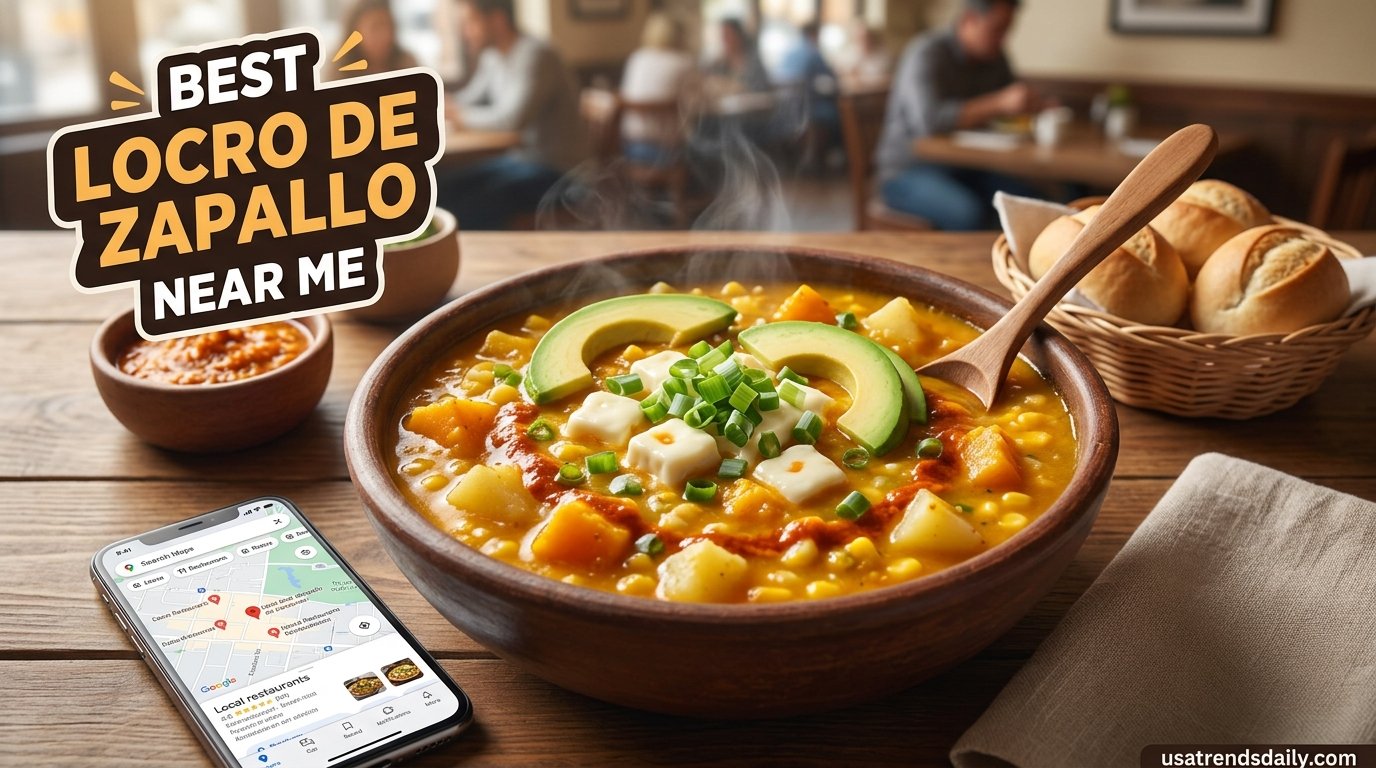
Best locro de zapallo near me is one of the most beloved traditional dishes in South American cuisine, especially in Peru and the Andean regions where hearty soups and stews are deeply connected to cultural identity and family traditions. This rich pumpkin stew combines squash, potatoes, corn, peas, herbs, cheese, and regional spices to create a warm and satisfying meal that has been enjoyed for centuries. In recent years, searches for “best locro de zapallo near me” have increased dramatically as more people discover authentic Latin American comfort food and seek traditional dishes that feel homemade, nutritious, and deeply flavorful.
Food lovers searching for authentic Peruvian cuisine often look best locro de zapallo near me beyond popular dishes like ceviche or lomo saltado and begin exploring regional recipes with historical significance. Locro de zapallo stands out because it offers a perfect combination of creamy texture, earthy vegetables, aromatic herbs, and mild spice. Whether served in a traditional Peruvian restaurant, a local Latin American café, or a family-owned South American eatery, this dish continues to attract diners who appreciate comforting and authentic culinary experiences.
What Is Locro de Zapallo?
Locro de zapallo is a traditionalbest locro de zapallo near me pumpkin or squash stew commonly associated with Peruvian and Andean cuisine. The word “locro” refers to a thick stew that has existed in South America since pre-Columbian times. “Zapallo” is the Spanish term used in many South American countries for pumpkin or squash varieties commonly grown in the Andes. Together, the dish creates a creamy and nourishing meal made from ingredients that have long been staples in indigenous agriculture.
Traditional recipes often include zapallo squash, potatoes, fresh corn, peas, best locro de zapallo near me onions, garlic, milk, cheese, ají amarillo peppers, and herbs such as oregano or huacatay. The squash slowly softens during cooking and naturally thickens the stew without the need for flour or heavy cream. This process gives locro de zapallo its signature velvety consistency and slightly sweet flavor. Many families prepare the dish at home using recipes passed down through generations, while restaurants often serve it as part of traditional lunch menus.
The popularity of locro de zapallo continues to grow because modern diners are increasingly interested in authentic global cuisine and vegetable-based comfort food. The dish is especially popular during cooler weather because it feels warming, filling, and satisfying without being overly heavy. Unlike processed soups or fast-food meals, locro de zapallo highlights fresh ingredients and slow cooking best locro de zapallo near me techniques that create a deeper flavor profile.
The History and Origins of Locro de Zapallo
The origins of locro best locro de zapallo near me can be traced back thousands of years to indigenous Andean civilizations that relied heavily on crops such as squash, potatoes, corn, and beans. These ingredients were cultivated long before European colonization and formed the foundation of traditional Andean diets. Historical food studies suggest that early versions of locro were prepared by indigenous communities using locally available vegetables and herbs cooked slowly over open fires.
As Spanish influence spread through South America, dairy products, onions, and additional seasonings were incorporated into regional recipes. This fusion best locro de zapallo near me of indigenous and colonial ingredients helped shape the modern version of locro de zapallo that is widely enjoyed today. In Peru, the dish became especially popular because squash and potatoes were abundant, affordable, and highly nutritious.
Over time, different countries developed unique variations of locro based on regional traditions and local ingredients. Peruvian locro de zapallo is known for its creamy pumpkin base and lighter vegetable-focused flavor, while Argentine locro is heavier and often best locro de zapallo near me includes beans and meats. Ecuadorian versions commonly feature avocado and fresh cheese, while Bolivian variations may contain stronger spices and regional herbs. Despite these differences, locro remains a symbol of Andean comfort food and communal dining.
Why People Search for the Best Locro de Zapallo Near Me
The growing popularity of Peruvian and South American cuisine best locro de zapallo near me has encouraged more diners to search online for authentic regional dishes. Many people specifically search for “best locro de zapallo near me” because they want a genuine restaurant experience rather than a simplified or commercialized version of the dish. Authentic locro de zapallo is known for its rich homemade flavor, best locro de zapallo near me balanced seasoning, and creamy texture that cannot easily be replicated using shortcuts.
Food enthusiasts are v also becoming more adventurous and interested in traditional recipes from different cultures. Social media, travel blogs, and online restaurant reviews have helped introduce locro de zapallo to international audiences who may never have encountered Andean cuisine before. Diners often describe the dish as comforting, rustic, hearty, and nourishing, which makes it especially appealing during colder months.
Another reason people search for this dish is its reputation as a healthier best locro de zapallo near me comfort food option. Unlike many heavy cream-based soups, locro de zapallo derives much of its richness from naturally softened vegetables rather than excessive fats or artificial ingredients. This makes it attractive to people seeking wholesome meals with fresh ingredients and authentic culinary roots.
Ingredients That Make Authentic Locro de Zapallo Special
The quality of ingredients plays a major role in determining whether best locro de zapallo near me tastes authentic and flavorful. Traditional Peruvian recipes usually rely on fresh zapallo squash because it becomes naturally creamy when cooked. Some restaurants outside South America substitute pumpkin or butternut squash, but authentic Andean squash varieties often provide a sweeter and softer texture.
Potatoes are another essential ingredient because they help create body and thickness in the stew. Peru is home to thousands best locro de zapallo near me of potato varieties, and many traditional recipes use starchy potatoes that partially dissolve during cooking. Corn adds sweetness and texture, while peas provide freshness and color. Fresh cheese contributes richness and balances the natural sweetness of the squash.
Ají amarillo is one of the most best locro de zapallo near me important flavoring ingredients in Peruvian cuisine and gives locro de zapallo its distinctive taste. This yellow chili pepper adds mild heat and fruity depth without overwhelming the dish. Garlic, onions, oregano, best locro de zapallo near me cumin, and huacatay herbs are also commonly used to create layers of aroma and flavor. Restaurants that use authentic seasonings and fresh produce typically produce a more traditional and memorable version of the stew.
How Restaurants Prepare Traditional Locro de Zapallo
Authentic restaurants often preparbest locro de zapallo near me using slow cooking methods that allow the ingredients to blend naturally. The process usually begins with sautéing onions, garlic, and ají amarillo in oil to create a flavorful base. Squash and potatoes are then added with broth or water and simmered until soft enough to break apart into a creamy consistency.
Corn, peas, a best locro de zapallo near me nd herbs are added during the later stages of cooking so they maintain texture and freshness. Some chefs finish the stew with milk or evaporated milk for additional creaminess, while others rely entirely on softened vegetables for texture. Fresh cheese is typically added near the end so it melts slightly without completely dissolving.
The cooking process may seem simple, but achieving the perfect balance requires skill best locro de zapallo near me and experience. If overcooked, the stew can become too thick or overly sweet. If under-seasoned, it may taste bland despite the richness of the vegetables. The best restaurants prepare locro carefully, using fresh ingredients and traditional methods that preserve the authentic Andean character of the dish.
Nutritional Benefits of Locro de Zapallo
Locro de zapallo is often considered a nutritious comfort food because it contains a variety of v vegetables and natural ingredients. Squash and pumpkin are excellent sources of vitamin A, vitamin C, potassium, and antioxidants. These nutrients support immune health, vision, and overall wellness while adding natural sweetness and creaminess to the dish.
Potatoes provide carbohydrates and energy, while peas contribute fiber and plant-based protein. Corn adds texture and additional nutrients, including magnesium and antioxidants. Cheese and milk increase calcium and protein content, making the stew more balanced and satisfying. Because the dish contains multiple vegetables and wholesome ingredients, many people consider it healthier than heavily processed fast food meals.
Another nutritional advantage is that locro de zapallo can be adapted to different dietary preferences. Vegetarian versions are extremely common, and some recipes avoid dairy entirely while still maintaining a creamy consistency through slow-cooked squash. The dish can also be paired with grilled proteins, rice, or eggs to create a more substantial meal.
The Difference Between Peruvian and Argentine Locro
Many people are surprised to discover that “locro” refers to different dishes across South America. Peruvian locro de zapallo focuses primarily on squash, vegetables, herbs, and cheese, creating a creamy and relatively light stew with a smooth texture. The flavor profile is earthy, slightly sweet, and aromatic, making it a comforting meal suitable for everyday dining.
Argentine locro, on the other hand, is a heavier and more robust stew commonly prepared during national celebrations and holidays. It often contains white corn, beans, pork, beef, chorizo, and smoked meats simmered for several hours. The consistency is thicker and more rustic, with stronger savory and smoky flavors.
Although both versions share ancient Andean roots, they reflect different regional cooking traditions and local ingredient availability. Diners searching specifically for locro de zapallo are generally looking for the Peruvian-style pumpkin stew rather than the meat-heavy Argentine variation. Understanding this difference helps travelers and food enthusiasts choose restaurants that match their expectations.
The Growing Global Popularity of Peruvian Cuisine
Peruvian cuisine has become one of the world’s most celebrated culinary traditions due to its diversity, freshness, and cultural fusion. International food critics and chefs frequently praise Peru for combining indigenous ingredients with Spanish, African, Chinese, and Japanese culinary influences. This global recognition has encouraged more restaurants around the world to introduce authentic Peruvian dishes, including locro de zapallo.
Travelers who visit Peru often discover traditional stews, soups, and home-style dishes that differ greatly from internationally famous menu items. After returning home, many search for authentic Peruvian restaurants where they can experience those flavors again. Locro de zapallo is particularly memorable because it feels deeply comforting and homemade while still offering unique ingredients and aromas unfamiliar to many international diners.
Social media platforms and food bloggers have also contributed to the dish’s growing popularity. Videos showing creamy pumpkin stew, fresh herbs, melted cheese, and colorful vegetables attract viewers who are interested in rustic and traditional cooking. As interest in authentic world cuisine continues to expand, more restaurants are adding regional South American specialties to their menus.
What to Look for When Choosing a Restaurant
Finding the best locro de zapallo near you requires more than simply searching for the nearest Latin American restaurant. Authenticity is one of the most important factors. Restaurants specializing in Peruvian or Andean cuisine are more likely to use traditional ingredients such as ají amarillo, fresh squash, and regional herbs.
Customer reviews can provide valuable insight into ingredient quality and preparation methods. Diners often praise restaurants where the locro tastes homemade, creamy, and balanced rather than overly processed or watery. Family-owned establishments frequently receive positive feedback because they preserve recipes passed down through generations and focus on traditional cooking techniques.
Restaurant atmosphere can also enhance the dining experience. Many people searching for authentic locro de zapallo want more than just a meal; they want a cultural experience connected to South American hospitality and culinary traditions. Restaurants that offer traditional music, homemade dishes, and authentic flavors often create a more memorable experience for customers.
Popular Side Dishes Served With Locro de Zapallo
Locro de zapallo is commonly served with a variety of side dishes that complement its creamy texture and rich flavor. White rice is one of the most traditional accompaniments because it balances the stew and absorbs its flavorful sauce. In Peru, fried eggs are also frequently served on top of the stew, adding protein and creating a more filling meal.
Some restaurants pair locro with grilled steak, roasted chicken, fried fish, or pork cutlets. These proteins provide contrast to the smooth vegetable base and turn the dish into a hearty lunch or dinner. Fresh cheese is often added directly to the stew or served alongside it to enhance creaminess and richness.
Bread and toasted corn are additional side options sometimes offered in traditional homes and restaurants. These simple accompaniments help highlight the rustic and comforting nature of the dish while preserving its authentic Andean identity.
Why Locro de Zapallo Represents Traditional Comfort Food
Best locro de zapallo near me remains one of the most meaningful examples of Andean comfort food because it reflects family traditions, agricultural history, and regional identity. The dish uses simple ingredients transformed through slow cooking into something deeply satisfying and flavorful. For many South Americans, locro is connected to childhood memories, family gatherings, and home-cooked meals shared during colder seasons.
The emotional appeal of locro de zapallo is one reason it continues to attract international diners. In a world increasingly dominated by fast food and processed meals, traditional dishes prepared slowly with fresh ingredients feel more authentic and nourishing. People searching for “best locro de zapallo near me” are often looking for a genuine culinary experience rather than simply another restaurant meal.
As Peruvian and Andean cuisine continue gaining recognition worldwide, locro de zapallo is likely to become even more popular among food lovers seeking authentic comfort food. Its combination of creamy pumpkin, herbs, vegetables, and cultural history creates a dish that feels timeless, wholesome, and deeply connected to South American culinary heritage. Whether enjoyed in a traditional restaurant or prepared at home using regional ingredients, locro de zapallo remains one of the Andes’ most beloved and enduring dishes.
