


The phrase prisoner of war 2025 reflects an evolving conversation about warfare, international law, and human rights in the modern world. Armed conflicts have existed throughout history, and with them comes the reality that soldiers may be captured by opposing forces. These captured individuals are known as prisoners of war, commonly abbreviated as POWs. In 2025, discussions surrounding prisoners of war have become more complex due to technological advancements, changing warfare tactics, and increased global attention to humanitarian law.
Understanding the concept of prisoner of war 2025 requires examining not only the legal definitions but also the human experiences involved. Prisoners of war are protected under international law, particularly by the Geneva Conventions, which establish guidelines for how captured soldiers must be treated. These laws aim to ensure humane treatment, prevent abuse, and provide protections such as access to medical care, communication with families, and eventual repatriation after conflict.
In recent years, global conflicts and geopolitical tensions have renewed interest in POW issues. Governments, international organizations, and human rights groups continue to emphasize the importance of respecting international humanitarian standards. The conversation around prisoners of war in 2025 also includes topics such as digital warfare, media coverage of captured soldiers, and the political implications of prisoner exchanges.
This article explores the meaning, laws, history, and modern implications of prisoner of war 2025, providing a detailed look at how the concept has evolved and why it remains a critical issue in global affairs.
Historical Background of Prisoner of War 2025
To understand prisoner of war 2025, it is helpful to look back at the historical origins of the POW concept. Throughout ancient history, captured soldiers were often treated harshly, sometimes enslaved or executed. Early warfare rarely included formal protections for enemy combatants.
Over time, societies began to recognize the need for more humane treatment of captured soldiers. During the eighteenth and nineteenth centuries, nations gradually adopted informal rules regarding prisoner treatment. However, it was not until the twentieth century that formal international agreements established clear legal standards.
The two World Wars played a significant role in shaping modern POW regulations. The widespread capture of soldiers during these conflicts highlighted the urgent need for standardized protections. As a result, international agreements were strengthened to ensure humane treatment for captured combatants.
In the modern era, discussions about prisoner of war 2025 continue to reference these historical developments. The lessons learned from past conflicts remain essential for shaping current policies and international expectations.
Understanding this historical evolution helps explain why the protection of prisoners of war is considered a fundamental part of modern humanitarian law.
International Laws Defining Prisoner of War 2025
One of the most important aspects of prisoner of war 2025 is the legal framework that governs the treatment of captured soldiers. International law clearly defines who qualifies as a prisoner of war and outlines the protections they must receive.
According to international humanitarian law, a prisoner of war is typically a member of a country’s armed forces who has been captured by an opposing military during an armed conflict. Certain militia members and organized resistance fighters may also qualify if they meet specific conditions.
The laws surrounding prisoners of war are designed to ensure humane treatment regardless of nationality, religion, or political beliefs. These rules prohibit torture, humiliation, and cruel treatment. Prisoners must be provided with adequate food, shelter, medical care, and protection from violence.
Another important rule in the context of prisoner of war 2025 is the requirement for captors to allow communication between prisoners and their families. International organizations often play a role in facilitating this communication and monitoring prison conditions.
These legal protections are intended to preserve human dignity even during times of armed conflict. While violations sometimes occur, the existence of these laws provides a framework for accountability and international pressure.
Modern Warfare and Prisoner of War 2025

The nature of warfare has changed significantly in recent decades, which has also influenced the discussion around prisoner of war 2025. Modern conflicts often involve advanced technology, cyber operations, and unconventional combat strategies.
Unlike traditional wars fought between clearly defined armies, many modern conflicts include non-state actors, private military contractors, and hybrid warfare tactics. These developments sometimes complicate the classification of captured individuals.
For example, determining whether a captured fighter qualifies as a prisoner of war may depend on factors such as uniform identification, command structure, and adherence to international laws of war. These criteria can become difficult to apply in irregular conflicts.
In addition, the digital age has transformed how prisoners of war are portrayed in the media. Images and videos of captured soldiers can spread quickly online, raising concerns about privacy, propaganda, and psychological warfare.
The concept of prisoner of war 2025 therefore involves more than traditional battlefield captures. It also includes discussions about how modern technology and communication platforms affect the treatment and public perception of POWs.
Human Rights and Prisoner of War 2025
Human rights organizations play a major role in discussions surrounding prisoner of war 2025. These groups monitor conflict zones, document potential violations, and advocate for the humane treatment of prisoners.
The central principle behind POW protections is that captured soldiers are no longer active combatants and should not be punished simply for participating in war. Instead, they are considered detained individuals who must be protected under international humanitarian law.
Human rights advocates often emphasize that respecting POW protections benefits all parties involved in a conflict. When countries treat prisoners humanely, they encourage reciprocal treatment for their own captured soldiers.
In 2025, global awareness of human rights issues has grown significantly due to widespread access to information and social media reporting. Allegations of prisoner mistreatment can quickly attract international attention and lead to diplomatic consequences.
For this reason, the topic of prisoner of war 2025 continues to be closely monitored by international organizations, journalists, and legal experts.
Psychological Impact of Prisoner of War 2025

Being captured during wartime can have a profound psychological impact. The experience of isolation, uncertainty, and loss of freedom can affect prisoners long after they return home. Understanding this human dimension is essential when discussing prisoner of war 2025.
Many former POWs describe feelings of anxiety, trauma, and emotional stress during captivity. Even when treated according to international standards, the experience of imprisonment in a hostile environment can be mentally challenging.
Support programs for returning prisoners often focus on mental health recovery, reintegration into civilian life, and rebuilding family relationships. Governments and veteran organizations frequently provide counseling services and medical care to assist former POWs.
The psychological aspect of prisoner of war 2025 highlights the importance of humane treatment during captivity. Respectful conditions, communication with families, and access to medical support can significantly reduce long-term emotional harm.
Recognizing these psychological challenges also helps societies appreciate the sacrifices made by military personnel during times of conflict.
Prisoner Exchanges and Prisoner of War 2025
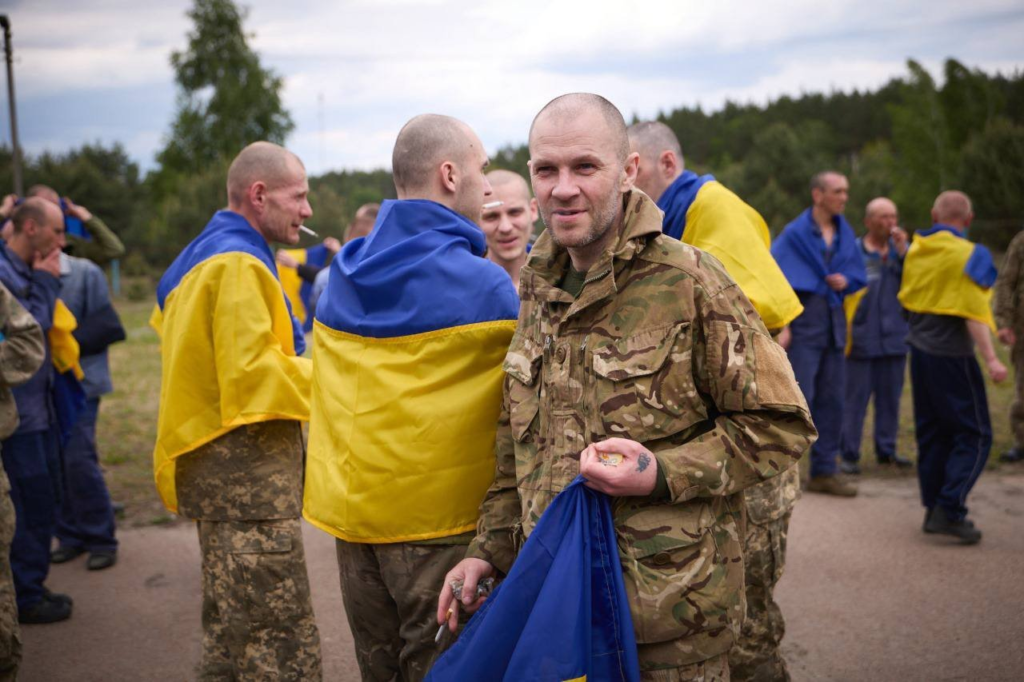
One important diplomatic practice connected to prisoner of war 2025 is the exchange of prisoners between opposing forces. Prisoner exchanges have occurred throughout history and often serve as confidence-building measures during or after conflicts.
These exchanges allow captured soldiers to return to their home countries while demonstrating a willingness by both sides to follow humanitarian norms. In some cases, prisoner swaps may occur as part of broader peace negotiations or ceasefire agreements.
The process of organizing prisoner exchanges can be complex. It may involve international mediators, humanitarian organizations, and extensive negotiations between governments.
In recent years, public attention toward prisoner exchanges has increased due to media coverage and political discussions. Families of captured soldiers often advocate strongly for their loved ones’ release, making prisoner negotiations both humanitarian and political issues.
Within the broader conversation about prisoner of war 2025, prisoner exchanges remain one of the most visible and emotionally significant aspects of modern conflict resolution.
Media Coverage and Prisoner of War 2025
Media plays a powerful role in shaping public understanding of prisoner of war 2025. News coverage, documentaries, and social media discussions often highlight the stories of captured soldiers and their eventual return home.
While media attention can raise awareness and encourage humane treatment, it can also present ethical challenges. Broadcasting images of prisoners may violate international guidelines that protect POW dignity and privacy.
Governments and military organizations must therefore carefully manage how information about prisoners is shared publicly. At the same time, journalists and human rights groups strive to report responsibly while holding authorities accountable.
The digital age has made information about conflicts more accessible than ever before. As a result, discussions about prisoner of war 2025 are increasingly shaped by global audiences who follow events in real time.
This growing visibility has strengthened calls for transparency and adherence to international humanitarian law.
Challenges in Protecting Prisoner of War 2025

Despite international laws and humanitarian efforts, protecting prisoners remains a challenge in many conflicts. Political tensions, limited oversight, and complex military situations can make enforcement difficult.
One challenge associated with prisoner of war 2025 is ensuring that all parties involved in a conflict recognize and respect international legal standards. Non-state actors or irregular forces may not always follow established rules.
Another issue involves access to detention facilities. Humanitarian organizations often require permission to inspect prisoner conditions, but such access may be restricted during active conflicts.
Additionally, propaganda and misinformation can complicate discussions about prisoner treatment. Competing narratives may make it difficult for the public to determine the accuracy of reported events.
Addressing these challenges requires cooperation between governments, international organizations, and civil society groups dedicated to protecting human rights.
The Future of Prisoner of War 2025
Looking forward, the concept of prisoner of war 2025 will likely continue evolving as warfare and global politics change. Technological advancements, shifting military strategies, and increasing international scrutiny will shape how prisoners are captured, detained, and eventually released.
One potential development involves stronger monitoring systems using digital technology. Satellite imagery, independent reporting, and real-time communication tools may improve oversight of detention facilities and prisoner treatment.
Another trend may involve greater emphasis on diplomatic negotiations and humanitarian mediation. As global awareness of POW issues grows, governments may face stronger pressure to resolve prisoner situations quickly and humanely.
Education about international humanitarian law is also expected to play a larger role in military training. Ensuring that soldiers understand POW protections can reduce violations and improve compliance during conflicts.
These developments suggest that discussions about prisoner of war 2025 will remain highly relevant in both legal and political contexts.
Conclusion: Why Prisoner of War 2025 Matters
The topic of prisoner of war 2025 highlights one of the most important humanitarian principles in times of armed conflict: the protection of human dignity. Even during war, international law seeks to ensure that captured soldiers are treated with respect and compassion.
Throughout history, societies have gradually developed legal frameworks designed to protect prisoners from abuse and to provide clear guidelines for their treatment. These protections reflect the belief that humanity must remain central even during the most difficult circumstances.
Modern discussions about prisoners of war also reveal the broader challenges of contemporary conflict, including technological change, media influence, and complex political dynamics. Addressing these challenges requires cooperation between governments, international organizations, and the global community.
Ultimately, understanding prisoner of war 2025 is not only about legal definitions or political debates. It is about recognizing the human stories behind the concept—soldiers who experience captivity, families who await their return, and societies that strive to uphold humanitarian values even in times of war.
By continuing to study and discuss this topic, the international community can strengthen protections for prisoners and reinforce the principles of justice, dignity, and compassion that lie at the heart of humanitarian law.
