


Sã³fbol is one of the most popular bat-and-ball sports in the world, celebrated for its accessibility, competitive spirit, and strong community presence. Although often compared to baseball, sã³fbol has its own unique rhythm, strategies, and traditions. Played by millions across different continents, the sport has evolved from a recreational pastime into a globally recognized competitive discipline.
From youth leagues to professional championships, sã³fbol continues to grow in popularity. It brings together players of all ages and backgrounds, offering both recreational enjoyment and elite athletic challenges. This article explores the origins, rules, variations, cultural impact, international expansion, and future of sã³fbol while providing a complete and balanced perspective on why it remains so widely embraced.
The Origins and Early Development of Sã³fbol
The roots of sã³fbol trace back to the late nineteenth century in the United States. It was initially created as an indoor version of baseball, designed to be played in smaller spaces during colder months. Over time, it transitioned outdoors and developed distinct rules and equipment.
Unlike baseball, which typically uses a smaller ball and longer field dimensions, sã³fbol features a larger ball and shorter base paths. These differences created a game that emphasized quick reflexes, strategic bunting, and defensive coordination.
As communities adopted the sport, informal leagues began forming. Educational institutions quickly recognized its value as a structured team activity, helping accelerate its spread. Within decades, sã³fbol established itself as a separate sport with organized competitions and governing bodies.
Basic Rules and Gameplay Structure in Sã³fbol
Understanding sã³f requires familiarity with its fundamental rules. The game is typically played between two teams of nine or ten players, depending on the variation. Each team alternates between offense and defense over seven innings.
The offensive team attempts to score runs by hitting the pitched ball and advancing around four bases arranged in a diamond shape. The defensive team aims to record outs through strikeouts, force plays, or catching fly balls.
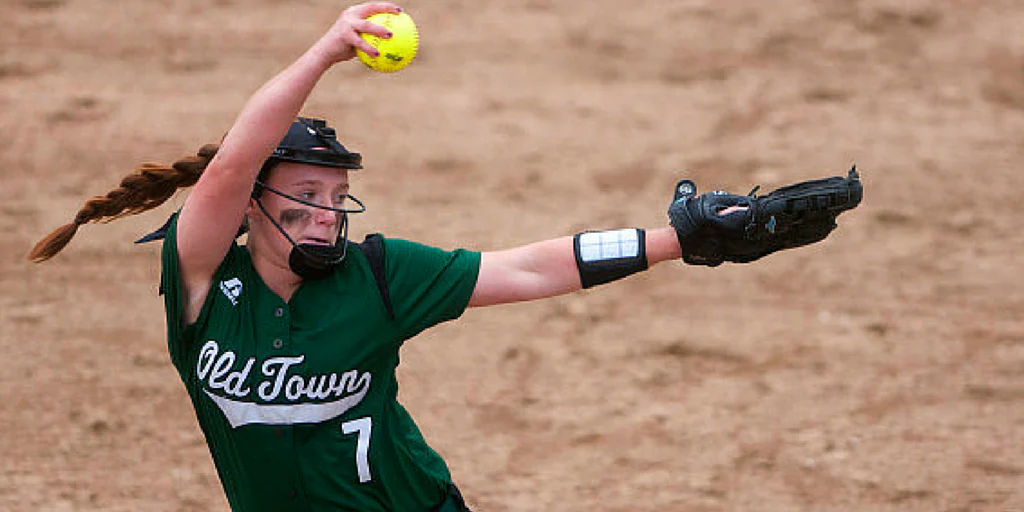
Pitching style is one of the defining elements of sã³fbol. Unlike baseball’s overhand pitching, sã³fbol uses an underhand delivery. This distinctive motion affects ball speed, trajectory, and overall strategy.
Games are generally shorter than baseball, creating a faster pace. The condensed field dimensions encourage quick plays and dynamic defensive positioning.
Variations of Sã³fbol Across Different Formats
Sã³f includes multiple formats, each offering unique gameplay experiences. The two primary variations are fastpitch and slowpitch.
Fastpitch sã³fis highly competitive and often played at collegiate and professional levels. Pitchers use rapid underhand motions, generating impressive speed and spin. Strategy revolves around precise hitting and defensive agility.
Slowpitch sã³f commonly played recreationally, features a higher-arc pitch designed to encourage more frequent hits. This format emphasizes social engagement and inclusive participation.
Another variation is modified pitch, which blends elements of both fastpitch and slowpitch. Each version of sã³fbol caters to different skill levels and preferences, contributing to its broad appeal.
Equipment and Field Dimensions in Sã³fbol
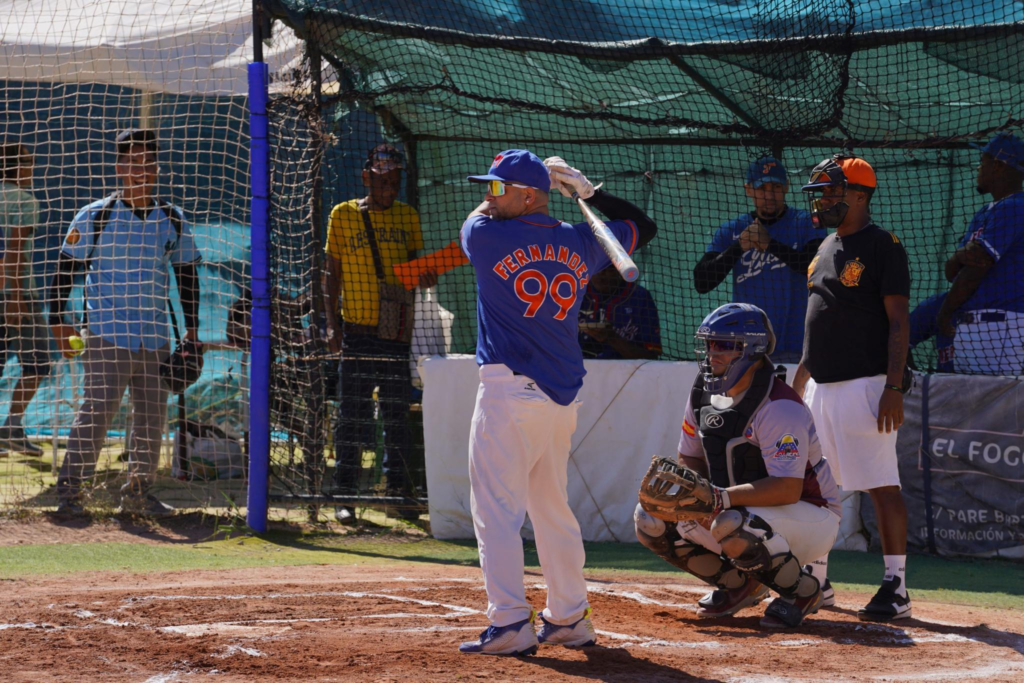
The equipment used in sã³f distinguishes it from similar sports. The ball is larger and softer than a baseball, making it easier to grip and hit. Bats are typically made from aluminum, composite materials, or wood.
Players wear gloves for fielding and protective gear such as helmets while batting. Catchers use additional padding for safety.
Field dimensions vary slightly depending on league and format. However, base paths are generally shorter than in baseball, allowing for quicker gameplay. Outfield fences are also positioned closer, influencing hitting strategies.
These structural elements shape the rhythm of sã³f and highlight its accessibility, especially for youth and recreational players.
The Global Expansion of Sã³fbol
Although sã³f originated in the United States, it quickly gained international traction. Countries across Asia, Europe, Latin America, and Oceania have embraced the sport.
International competitions, including world championships and continental tournaments, showcase elite talent and foster cross-cultural connections. Sã³fbol has also appeared in major multi-sport events, enhancing its global visibility.
Youth development programs in various nations continue to promote participation, ensuring steady growth. The sport’s adaptability makes it suitable for diverse climates and facilities, further supporting international expansion.
As global interest increases, sã³fbol strengthens its position as a truly worldwide sport.
Women’s Participation and Empowerment Through Sã³fbol
One of the most significant aspects of sã³fbol is its impact on women’s athletics. The sport has provided a platform for female athletes to compete at high levels and gain recognition.
Collegiate sã³fprograms have expanded significantly, offering scholarships and professional opportunities. International tournaments further elevate visibility for women’s teams.
Role models within the sport inspire younger generations, promoting confidence, teamwork, and leadership. The growth of women’s sã³fbol demonstrates the sport’s role in advancing gender equity in athletics.
As media coverage improves, female players continue to receive greater recognition for their achievements and dedication.
Youth Development and Community Engagement in Sã³fbol
Sã³f plays a crucial role in youth development programs worldwide. Community leagues introduce children to teamwork, discipline, and physical activity.
Because the equipment and field requirements are relatively accessible, local organizations can establish teams with modest resources. Volunteer coaches often lead programs, strengthening neighborhood connections.
Participation fosters life skills beyond athletic performance. Young players learn communication, resilience, and sportsmanship. These experiences contribute to personal growth and community cohesion.
Through grassroots initiatives, sã³fbol nurtures lifelong appreciation for teamwork and active lifestyles.
Strategy and Skill Development in Competitive Sã³fbol
At higher levels, sã³fbecomes a sophisticated contest of strategy. Coaches analyze opponent tendencies, pitch selection, and defensive alignments.
Bunting, stealing bases, and hit-and-run plays add tactical depth. Pitchers develop specialized deliveries, including rise balls and drop balls, to challenge hitters.
Defensive coordination is equally critical. Infielders must react quickly to ground balls, while outfielders anticipate trajectory and positioning.
Continuous training improves strength, speed, and hand-eye coordination. Competitive sã³frequires dedication, discipline, and mental focus, rewarding teams that master both physical and strategic elements.
The Cultural Significance of Sã³fbol
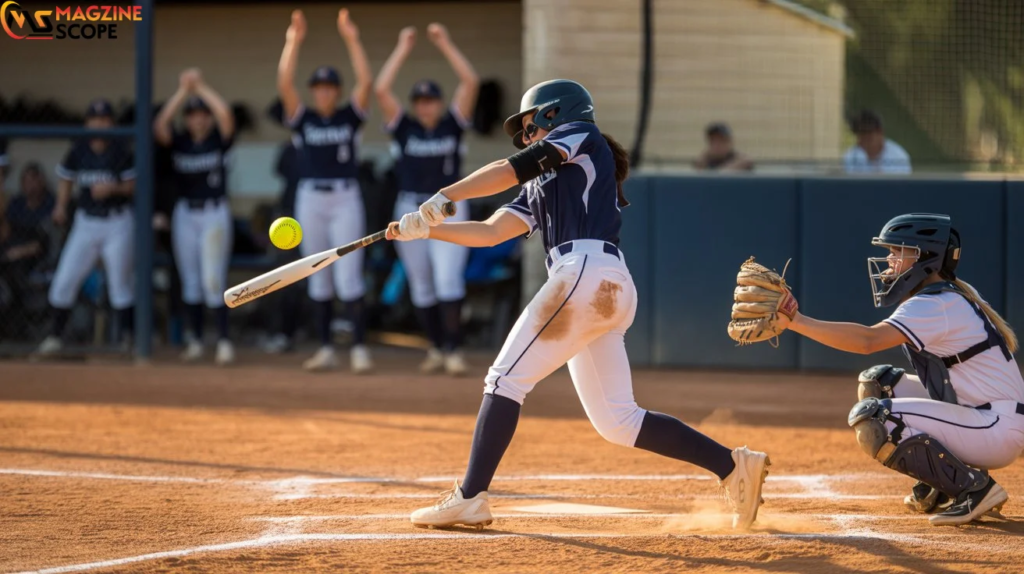
Beyond competition, sã³holds cultural significance in many communities. Local tournaments often become social events that bring families and friends together.
Seasonal leagues create traditions that span generations. Parents who once played may now coach their children, reinforcing community bonds.
The sport’s inclusive nature fosters camaraderie. Whether played casually or competitively, sã³fbol promotes shared experiences and collective celebration.
Cultural festivals and charity games further integrate the sport into social life, highlighting its broader impact beyond the field.
Health and Fitness Benefits of Playing Sã³fbol
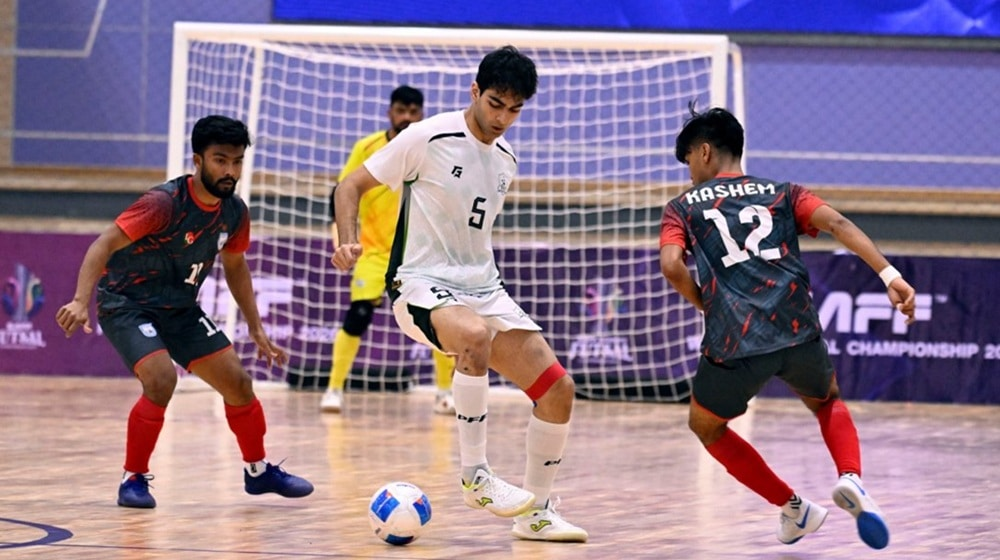
Participation in sã³ offers numerous physical benefits. The sport combines cardiovascular activity with strength training and agility exercises.
Running bases improves endurance, while batting and throwing enhance upper-body strength. Quick lateral movements during fielding build coordination and balance.
Regular play supports overall fitness and helps reduce stress. The social dimension also contributes to mental well-being, providing a supportive environment for interaction and teamwork.
Because it accommodates different skill levels, sã³f remains accessible for recreational fitness enthusiasts as well as competitive athletes.
Challenges Facing the Growth of Sã³fbol
Despite its popularity, sã³ faces certain challenges. Competition from other ports and entertainment options can limit participation rates
Access to facilities and funding varies by region. Some communities struggle to maintain fields or purchase equipment.
Media coverage disparities also affect visibility, particularly in comparison to larger professional sports leagues. Increased promotion and sponsorship opportunities could strengthen exposure.
Addressing these challenges requires collaboration among governing bodies, local organizations, and supporters committed to sustaining the sport’s growth.
The Future Outlook for Sã³fbol
The future of sã³f appears promising. Technological advancements, including performance analytics and digital broadcasting, enhance training and fan engagement.
Social media platforms allow players and teams to share highlights, attract sponsorships, and build global audiences. Youth initiatives continue expanding, ensuring generational continuity.
Efforts to increase international competition opportunities may further elevate the sport’s status. As inclusivity and community values gain importance, sã³f aligns well with contemporary priorities.
With sustained investment and innovation, the sport is poised for continued expansion and recognition.
Conclusion: Why Sã³fbol Remains a Timeless Sport
Sã³fbol has evolved from a modest indoor pastime into a globally celebrated sport. Its distinct rules, accessible format, and inclusive spirit contribute to widespread appeal.
From youth leagues to international championships, sã³fbol fosters teamwork, resilience, and community connection. It empowers athletes, particularly women, while promoting health and social engagement.
Though challenges exist, the sport’s adaptability and strong grassroots foundation ensure enduring relevance. As new generations embrace active lifestyles and collective experiences, sã³fbol stands ready to meet those aspirations.
Ultimately, sã³fbol represents more than a game. It embodies tradition, growth, nd shared achievement—qualities that continue to resonate across cultures and communities worldwide.y
