


The phrase “yellow Georgetown” immediately sparks curiosity. Is it about a building painted in golden hues, a historical district glowing under warm sunlight, or a symbolic expression tied to culture and identity? In reality, yellow Georgetown can represent multiple interpretations depending on context. From architectural charm and colonial influences to university pride and urban aesthetics, the connection between the color yellow and Georgetown reveals a fascinating story.
Georgetown itself carries layered meaning. It refers to a historic neighborhood in Washington, D.C., a UNESCO-recognized heritage zone in Malaysia, and various towns around the world. Each setting offers unique interpretations of yellow Georgetown. In this article, we explore the historical, architectural, cultural, and symbolic dimensions behind this intriguing phrase.
Yellow Georgetown in Washington, D.C.
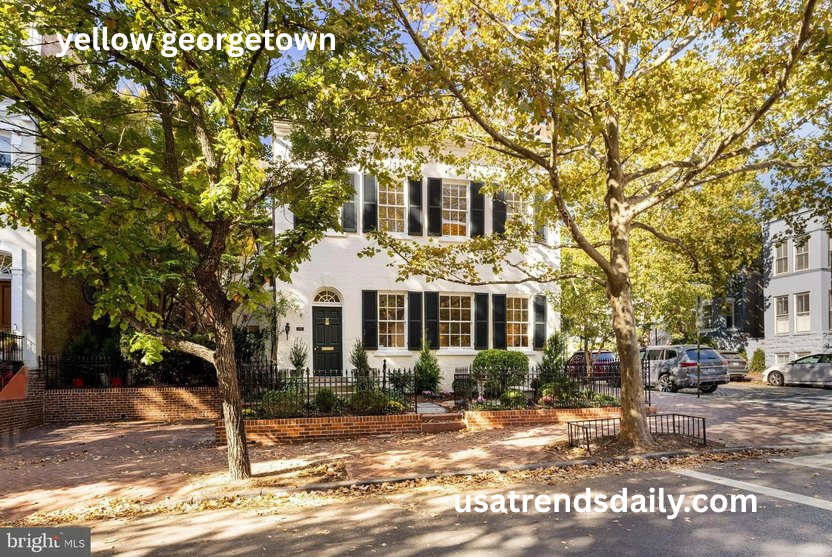
One of the most recognizable Georgetowns is the historic neighborhood in the United States capital. Georgetown stands along the Potomac River and is known for its cobblestone streets, Federal-style row houses, and vibrant storefronts.
In this setting, yellow Georgetown may refer to the warm-toned brick facades and pastel-painted homes that line the streets. Some buildings display soft buttercream or pale gold exteriors that stand out against darker red brick structures. During autumn, when sunlight filters through amber leaves, the entire neighborhood seems to glow in golden shades.
This visual warmth contributes to Georgetown’s charm. Tourists often photograph historic homes whose yellow-painted shutters and doors contrast beautifully with black iron railings. The color adds a cheerful note to a district rich in American history.
The Architectural Character of Yellow Georgetown
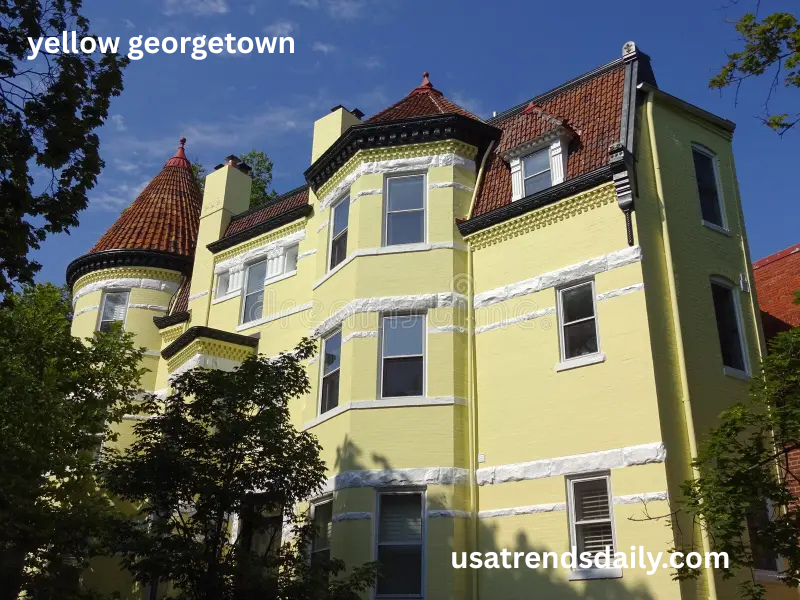
Architecture plays a major role in shaping the idea of yellow Georgetown. The neighborhood features Federal and Victorian influences, with symmetrical windows and decorative cornices. Soft yellows sometimes appear as exterior paint colors for historic preservation projects.
In older urban districts, color choices often reflect heritage guidelines. Warm hues like pale yellow complement brick and limestone structures without overwhelming the streetscape. As a result, yellow Georgetown can describe the aesthetic harmony between historic design and subtle color accents.
The color yellow symbolizes optimism and welcome. When applied to homes and storefronts, it can create an inviting atmosphere. This gentle vibrancy enhances the pedestrian experience, particularly along M Street and Wisconsin Avenue, where historic charm meets modern retail.
Yellow Georgetown and Georgetown University
Another interpretation of yellow Georgetown connects to university identity. Georgetown University, founded in 1789, is one of the oldest Catholic institutions of higher education in the United States.
Although the university’s official colors are blue and gray, campus life often embraces seasonal décor and symbolic color themes. During autumn, yellow leaves blanket the campus pathways. The golden foliage transforms the grounds into a picturesque landscape that students affectionately photograph.
In this sense, yellow Georgetown captures the visual beauty of fall on campus. Sunlit stone buildings reflect warm tones as ginkgo and maple trees shed their bright leaves. The color becomes part of the university’s seasonal identity rather than its official branding.
Yellow Georgetown in Malaysia
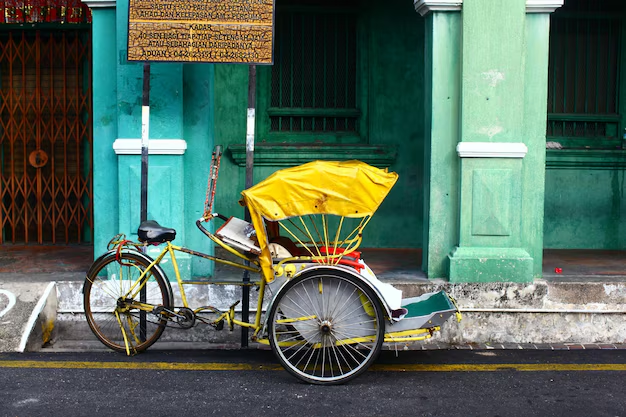
Beyond the United States, the term Georgetown also refers to the capital of Penang, Malaysia. George Town is a UNESCO World Heritage Site celebrated for its colonial architecture and multicultural history.
In this Southeast Asian context, yellow Georgetown may describe colonial-era buildings painted in soft mustard or ochre shades. British colonial architecture frequently incorporated warm pastel colors suited to tropical climates. Many restored buildings feature yellow façades paired with white trim and arched windows.
Walking through George Town’s heritage zone, visitors encounter temples, mosques, churches, and shop houses in harmonious pastel palettes. Yellow often appears as a cheerful exterior choice that complements the bright tropical sky.
Cultural Symbolism of Yellow in Georgetown Settings
The color yellow holds diverse symbolic meanings across cultures. In Western contexts, it often represents happiness, energy, and sunlight. In many Asian cultures, yellow historically signified royalty or prosperity.
When applied to Georgetown—whether in Washington or Penang—the color can evoke warmth and vitality. Yellow Georgetown becomes less about a single structure and more about atmosphere.
Urban planners sometimes use color strategically to revitalize historic areas. A well-chosen yellow paint can brighten narrow streets and reflect sunlight, enhancing pedestrian comfort. This practical benefit aligns with the symbolic sense of optimism associated with the hue.
Seasonal Interpretations of Yellow Georgetown
Autumn offers perhaps the most poetic vision of yellow Georgetown. In Washington, D.C., trees lining the C&O Canal and campus grounds turn golden. The reflection of yellow leaves in the Potomac River creates a tranquil scene that photographers treasure.
Similarly, in tropical Malaysia, sunlight casts a golden glow over colonial buildings during late afternoon hours. The effect can make façades appear deeper and richer in tone.
Seasonal light dramatically alters how color is perceived. Yellow Georgetown might simply capture that fleeting moment when architecture and sunlight blend into luminous harmony.
Yellow Georgetown in Art and Photography
Artists frequently gravitate toward color contrasts. A yellow door against gray stone or a golden wall beneath a cobalt sky creates visual tension and beauty.
Local painters and photographers often portray Georgetown streets in warm palettes. Art galleries in both Washington and Penang display cityscapes that emphasize golden tones during sunset.
In creative interpretation, yellow Georgetown becomes a visual motif rather than a literal label. The color stands as shorthand for warmth, nostalgia, and vibrancy.
Urban Identity and Yellow Georgetown
Cities build identity through architecture, history, and storytelling. Color contributes significantly to that narrative. While red brick defines many East Coast neighborhoods, selective yellow façades provide contrast.
In George Town, Malaysia, pastel preservation guidelines maintain a cohesive heritage aesthetic. Yellow walls, blue shutters, and terracotta roofs combine to produce a lively yet balanced visual identity.
Urban branding sometimes embraces color as a defining element. Though not officially designated, yellow Georgetown could evolve as an informal descriptor capturing warmth and accessibility.
Tourism and the Appeal of Yellow Georgetown
Travelers seek destinations that offer distinctive character. Warm-toned buildings photographed under bright skies appear inviting in travel brochures and social media feeds.
Visitors to Georgetown in Washington often comment on its charming houses and cheerful storefronts. Meanwhile, tourists exploring George Town in Penang admire colonial mansions painted in sunny hues.
Color influences emotional response. Yellow Georgetown, whether literal or metaphorical, suggests friendliness and openness—qualities attractive to visitors.
Historical Context Behind Yellow Georgetown
In colonial architecture, paint color often depended on available pigments. Natural ochres and earth-based yellows were common due to accessibility and durability.
In Malaysia, British administrators favored pale colors to reflect sunlight and reduce interior heat. This practical decision shaped the city’s visual identity.
In Washington’s Georgetown, historic preservation efforts encourage colors that align with period authenticity. Soft yellows sometimes appear in Federal-era restorations.
Understanding these historical factors clarifies how yellow Georgetown may emerge naturally from practical and aesthetic choices.
Educational and Community Dimensions of Yellow Georgetown
Schools, libraries, and community centers sometimes use bright exterior colors to signal approachability. A yellow-painted façade can make a building appear welcoming.
In university neighborhoods, student housing occasionally adopts cheerful palettes to differentiate properties. These choices contribute subtly to the perception of yellow Georgetown as lively and youthful.
Community murals in George Town, Malaysia, also incorporate vibrant yellows, blending contemporary street art with colonial backdrops.
The Emotional Landscape of Yellow Georgetown
Colors shape mood. Psychologists often associate yellow with positivity and stimulation. Applied thoughtfully, it can energize urban environments.
Too much brightness may overwhelm, but soft butter or pale gold creates balance. In both Washington and Penang, yellow accents appear measured rather than dominant.
Thus, yellow Georgetown may symbolize moderation—warmth without excess.
Yellow Georgetown in Modern Design Trends
Contemporary designers increasingly revisit pastel and retro palettes. Soft yellows paired with neutral tones create inviting exteriors.
Boutique hotels and cafés in Georgetown neighborhoods sometimes adopt golden branding elements. These subtle touches enhance visual coherence while maintaining historic integrity.
Design trends evolve, yet warm hues remain timeless. Yellow Georgetown reflects this enduring appeal.
The Future of Yellow Georgetown
As cities adapt to climate and sustainability concerns, reflective light-colored paint may gain popularity for energy efficiency. Yellow tones can help deflect heat while preserving aesthetic warmth.
Urban revitalization initiatives may continue embracing heritage color palettes. Yellow Georgetown could represent a blend of tradition and innovation.
Whether referring to autumn foliage in Washington or colonial façades in Malaysia, the phrase carries adaptable charm.
Conclusion: The Lasting Glow of Yellow Georgetown
Yellow Georgetown is not confined to a single definition. It may describe sunlit row houses in Washington, D.C., colonial buildings in Penang, or seasonal foliage illuminating university grounds. The phrase captures atmosphere more than geography.
Color transforms perception. Yellow suggests warmth, optimism, and welcome. When paired with Georgetown’s historic architecture and cultural richness, it creates imagery that feels both nostalgic and vibrant.
Ultimately, yellow Georgetown symbolizes the power of color to shape urban experience. Through architecture, heritage, and seasonal light, this simple combination of word and hue evokes scenes of glowing streets and enduring charm.
