


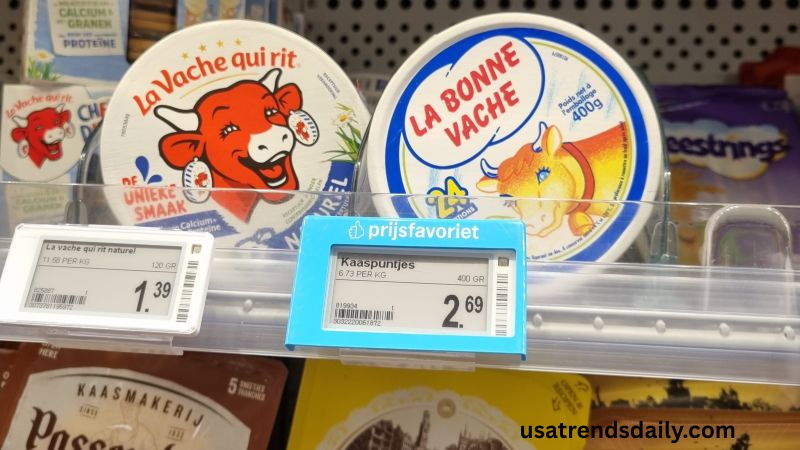
The phrase “la bonne vache” carries a charming and layered resonance in the French language. Literally translated, it means “the good cow,” yet its cultural undertones extend far beyond that simple definition. In everyday speech, in branding, and in creative expression, la bonne vache can symbolize kindness, quality, nourishment, or even gentle humor. Its appeal lies in the way a straightforward rural image transforms into something warm and expressive.
This article explores the linguistic roots, cultural interpretations, symbolic associations, and modern uses of la bonne vache. While the phrase may seem modest at first glance, its emotional and cultural depth reveals why it continues to intrigue language learners, food lovers, and branding enthusiasts alike.
The Linguistic Roots of La Bonne Vache
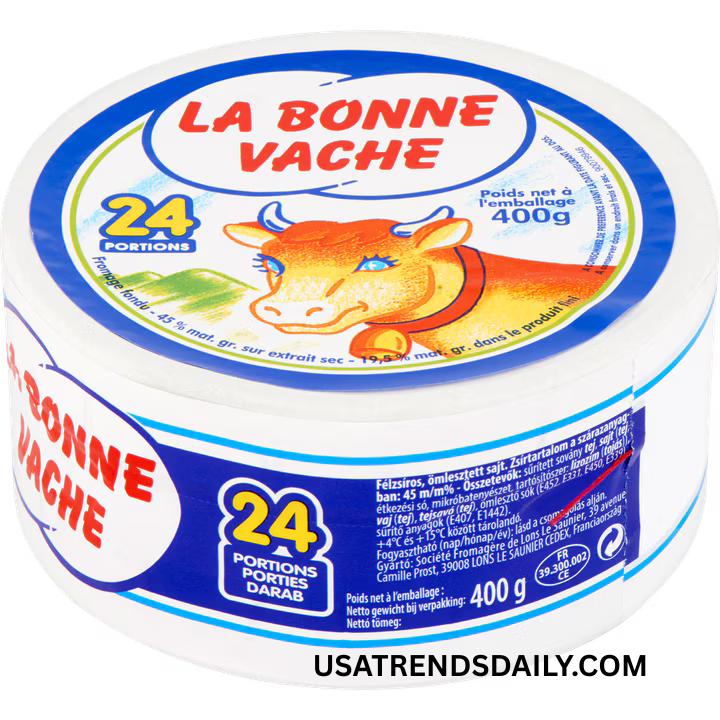
To understand la bonne vache, it helps to examine its structure. In French, “la” is the feminine definite article meaning “the.” “Bonne” is the feminine form of “bon,” meaning “good.” “Vache” translates to “cow.” Together, the phrase literally reads “the good cow.”
French grammar requires agreement in gender and number. Since “vache” is feminine, the adjective “bonne” adopts the feminine form. This grammatical harmony gives the phrase a smooth, rhythmic sound when spoken aloud.
Beyond grammar, cows have deep symbolic meaning in rural European life. For centuries, cattle represented sustenance, stability, and agricultural prosperity. Thus, la bonne vache may evoke the comforting image of a dependable animal providing milk and nourishment.
Rural Imagery and the Symbolism of La Bonne Vache
In traditional French countryside culture, cows symbolize patience and productivity. They graze peacefully and provide milk, cheese, butter, and cream—cornerstones of French cuisine. Because of this, la bonne vache can suggest generosity and abundance.
The phrase also carries emotional warmth. Describing someone metaphorically as a “good cow” in a humorous or affectionate way might imply kindness or gentle nature. While tone matters, rural expressions often blend simplicity with heartfelt meaning.
Cows appear in French literature and folklore as steady, reliable creatures. Associating goodness with a cow reinforces the connection between sustenance and virtue. In this way, la bonne vache becomes more than literal livestock; it becomes a symbol of wholesome character.
La Bonne Vache in Culinary Culture
French gastronomy relies heavily on dairy products. Cheese alone represents a vast universe of regional identity. From Normandy butter to Alpine cheeses, dairy heritage shapes national pride.
The phrase la bonne might easily appear in culinary branding, particularly in artisanal dairy production. Consumers associate cows with freshness and authenticity. A farm or creamery using that name would likely emphasize natural methods and pastoral tradition.
The emotional resonance of la bonne supports food marketing that highlights simplicity, honesty, and quality. In a world increasingly concerned with sustainable sourcing, pastoral imagery reassures buyers about origins and ethical care.
Artistic Interpretations of La Bonne Vache
Artists frequently draw inspiration from rural life. The cow, in particular, has appeared in paintings, sculptures, and modern installations. While not directly titled bonne vache,” pastoral themes recur in French art history.
For example, painters like Jean-François Millet depicted rural labor and agricultural life with dignity and reverence. Though Millet focused more on farmers than livestock, his work reflects the same reverence for pastoral imagery that underlies la bonne vache.

Similarly, Rosa Bonheur became famous for her detailed animal paintings, especially cattle. Her celebrated work The Horse Fair demonstrated how livestock could carry grandeur and artistic importance. Within this context, the phrase la bonne vache aligns with a tradition of respecting farm animals as subjects worthy of admiration.
Humor and Idiomatic Nuance in La Bonne Vache
French idioms involving animals often blend humor and affection. While la bonne vache itself is not a widely established idiom, its structure fits naturally within conversational playfulness.
Depending on tone, referring to someone as une bonne vache might imply they are overly trusting or extremely kind. Cultural context matters; affectionate teasing is common in French social interactions.
Language learners may find this nuance intriguing. Literal translations rarely capture emotional subtleties. The charm of la bonne vache lies in its layered possibilities—simultaneously literal, symbolic, and potentially humorous.
La Bonne Vache and Brand Identity

Modern entrepreneurs often select French names to evoke elegance or authenticity. La bonne vache would make a memorable name for a dairy farm, café, or artisanal cheese shop.
French branding frequently leans on pastoral themes. Consider established dairy brands such as Vache qui rit, which translates to “The Laughing Cow.” That brand demonstrates how cows can represent approachability and warmth. Though distinct, its playful tone mirrors the inviting simplicity of la bonne vache.
A brand named ache might emphasize organic practices, humane farming, and local sourcing. The phrase carries inherent positivity, making it adaptable to various marketing contexts.
Environmental Themes Connected to La Bonne Vache
Today, conversations about agriculture often intersect with sustainability. Cows, as livestock, play a significant role in environmental debates concerning methane emissions and land use.
However, small-scale farms focused on ethical grazing present a contrasting narrative. In that context, la bonne vache could symbolize responsible animal husbandry and ecological balance.
French rural policy increasingly promotes sustainable agriculture. While not directly tied to the phrase, this broader cultural movement reinforces the wholesome imagery that la bonne vache suggests.
Literary Possibilities of La Bonne Vache
Writers might use vache as a metaphor in fiction or poetry. The image of a calm, generous animal could represent maternal warmth or steady resilience.
French literature often explores rural life with nostalgic undertones. Authors such as Marcel Pagnol captured pastoral atmospheres filled with humor and humanity. Though Pagnol did not focus on cows specifically, his gentle storytelling style harmonizes with the emotional tone implied by la bonne vache.
In creative writing, such a phrase might symbolize loyalty or grounded simplicity amid modern chaos.
La Bonne Vache in Popular Culture
While la bonne is not currently a globally recognized cultural reference, its structure aligns with familiar French naming conventions. It could easily appear in children’s books, animated characters, or farm-themed attractions.
Cows often appear in educational materials teaching children about agriculture. A friendly character named “La Vache” might embody kindness and environmental awareness.
This adaptability demonstrates how simple phrases can gain broader cultural life through creative application.
Emotional Resonance of La Bonne Vache
Why does the phrase feel comforting? Partly because it combines goodness with nourishment. Milk, cheese, and butter evoke home cooking and tradition.
In psychological terms, pastoral imagery often triggers feelings of safety and nostalgia. Rural landscapes contrast with urban stress. The mental picture of la bonne vache grazing peacefully invites calm reflection.
Language shapes perception. Even for non-French speakers, the gentle sound of the phrase adds to its appeal.
Global Interpretations of La Bonne Vache
Outside France, French phrases often carry romantic associations. Restaurants, bakeries, and boutique brands worldwide incorporate French wording to signal sophistication.
La bonne might resonate internationally as a symbol of artisanal authenticity. Its literal translation remains simple, yet its French origin adds elegance.
Global appreciation of French culinary culture strengthens the positive connotations attached to dairy imagery.
Philosophical Reflections on La Bonne Vache
At a philosophical level, la bonne vache can symbolize contentment. The cow, grazing steadily, embodies patience and rhythm with nature.
Modern society often moves at relentless speed. In contrast, pastoral life suggests slower cycles and seasonal awareness. The phrase subtly reminds us of grounded living.
Though modest in appearance, la bonne carries themes of reliability and quiet virtue.
The Future of La Bonne Vache in Creative Expression
As sustainable living gains prominence, pastoral symbolism may regain popularity. Entrepreneurs, artists, and writers could adopt la bonne as a symbol of ethical simplicity.
Digital culture thrives on memorable phrases. A short, warm expression like this has potential to inspire logos, storytelling projects, or eco-conscious initiatives.
Language evolves constantly. Even lesser-known phrases can find renewed relevance in changing social contexts.
Conclusion: The Enduring Charm of La Bonne Vache
La bonne vache may translate simply as “the good cow,” yet its meaning extends into culture, humor, branding, and philosophy. It evokes nourishment, kindness, and pastoral authenticity. From culinary associations to artistic inspiration, the phrase resonates with warmth and grounded simplicity.
In exploring la bonne vache, we discover how language shapes emotional imagery. A straightforward rural reference transforms into a symbol of generosity and trust. Whether used in branding, literature, or casual conversation, the phrase retains its gentle charm.
Ultimately, la bonne vache reminds us that even the simplest expressions can carry layers of cultural meaning. Through linguistic harmony and pastoral symbolism, it continues to capture curiosity and creative imagination.
