



In today’s competitive business landscape, understanding how to growth navigate funding is essential for startups, entrepreneurs, and expanding companies. Securing capital is not just about raising money—it is about aligning financial resources with long-term vision, operational efficiency, and sustainable expansion.
Many businesses fail not because of poor ideas, but because they struggle to navigate funding stages effectively. The journey from seed capital to large-scale investment requires strategy, timing, negotiation skills, and financial literacy. Growth navigate funding is therefore both a mindset and a structured process that enables organizations to scale without losing stability.
This comprehensive guide explores how businesses can approach funding strategically, avoid common pitfalls, and build a foundation for sustainable growth.
Understanding the Concept of Growth Navigate Funding
Growth refers to the deliberate process of identifying, securing, and managing capital in a way that supports structured expansion. It combines financial planning with growth strategy.
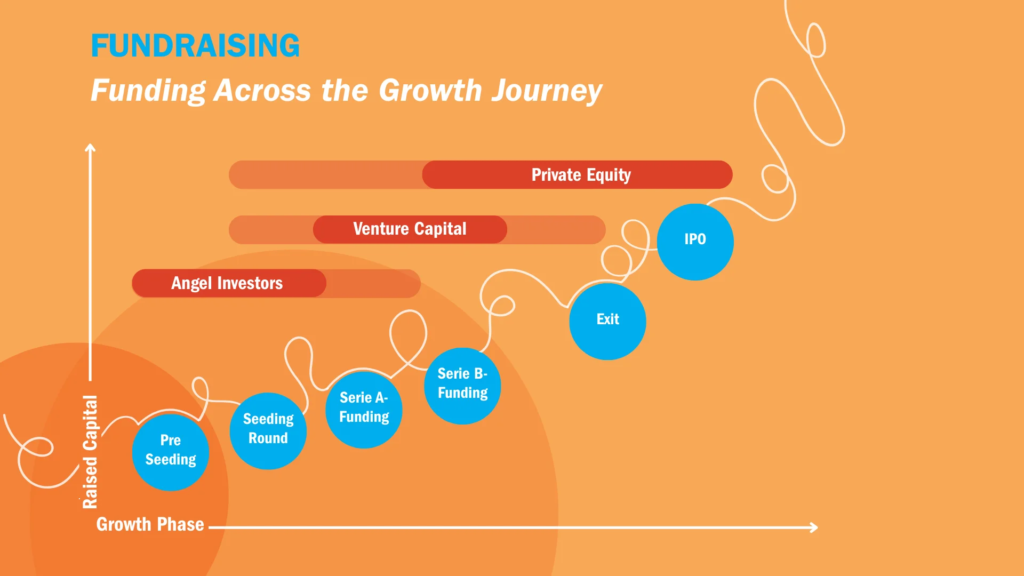
Businesses move through multiple phases: bootstrapping, seed funding, venture capital, private equity, and sometimes public offerings. Each stage demands different preparation, expectations, and accountability.
To growth navigate successfully, founders must understand their company’s lifecycle. Early-stage ventures often prioritize product development and market validation. Later stages emphasize scaling operations, expanding teams, and increasing market share.
The key lies in timing. Raising capital too early can dilute ownership unnecessarily. Raising too late may restrict growth opportunities. Strategic alignment between funding needs and business maturity ensures efficient capital utilization.
Growth navigate is not about chasing the largest investment but about securing the right investment at the right time.
Growth Navigate Funding and Early-Stage Capital Strategy
In the early stages, growth navigate often begins with personal savings, support from friends and family, or small angel investments. These sources provide flexibility and minimal formal structure.
Bootstrapping allows founders to retain control. However, limited capital may slow development. Entrepreneurs must carefully assess whether organic growth can meet market demands.
Angel investors can bridge the gap between concept and scalability. These individuals often provide mentorship alongside funding. Their involvement can strengthen credibility when approaching larger investors.
At this stage, clarity of vision matters most. Investors seek compelling business models, realistic financial projections, and passionate leadership teams.
To growth navigate in early phases, founders should focus on building traction—demonstrating user demand, revenue potential, and operational capability.
Preparation includes crafting detailed business plans, refining pitch decks, and understanding valuation principles.
Growth Navigate Funding Through Venture Capital
As startups gain momentum, venture capital becomes a viable path. Growth navigate at this stage requires a more structured approach.
Venture capital firms typically invest in high-growth companies with scalable models. They expect significant returns, often through acquisition or public listing.
Before approaching venture capitalists, businesses must establish key performance indicators. Revenue growth, customer acquisition cost, retention rates, and market size all influence investor decisions.
Negotiation skills become crucial. Equity dilution is inevitable in venture capital deals, but terms should protect long-term founder interests.
Growth navigate through venture capital also involves preparing for board oversight. Investors may request strategic input or voting rights.
Transparency and communication foster trust. Regular reporting ensures alignment between founders and investors.
Choosing the right venture partner can significantly impact future growth trajectory.
Growth Navigate Funding with Strategic Partnerships

Not all funding comes from traditional investors. Growth funding can also involve strategic corporate partnerships.
Larger companies sometimes invest in startups that align with their long-term objectives. These partnerships may offer distribution channels, technological integration, or operational resources.
Strategic investors often bring industry expertise. Their involvement can accelerate market penetration.
However, alignment of values and objectives is essential. A mismatch in strategic direction can hinder growth.
When considering this approach, businesses should evaluate long-term implications carefully. Agreements should clarify intellectual property rights, governance roles, and exit strategies.
Growth navigate funding through partnerships demands thorough due diligence and legal review.
Growth Navigate Funding and Financial Planning Discipline

Capital alone does not guarantee success. Growth navigate funding requires disciplined financial management.
Budgeting ensures resources are allocated effectively. Overspending during expansion can strain cash flow.
Forecasting models help predict revenue trends and identify potential shortfalls. These projections should account for market volatility and operational risks.
Maintaining emergency reserves provides stability during unexpected downturns.
Investors appreciate companies that demonstrate fiscal responsibility. Transparent accounting and accurate reporting build credibility.
Growth navigate funding becomes sustainable when financial planning aligns with realistic growth expectations
Strong internal controls prevent mismanagement and protect investor confidence.
Growth Navigate Funding in Competitive Markets
In competitive markets, access to capital often determines survival. Growth navigate funding effectively to outpace rivals.
Market differentiation strengthens investor appeal. Unique value propositions, proprietary technology, or strong brand identity can attract funding more easily.
Competitive analysis should inform funding strategy. Understanding competitor capital levels helps determine appropriate fundraising targets.
Speed matters in dynamic industries. Delayed funding rounds may result in lost market share.
However, haste without preparation can damage credibility. Balancing urgency with thorough planning is essential.
Growth navigate funding involves continuous market awareness and adaptive strategy.
Entrepreneurs must monitor industry trends and adjust funding goals accordingly.
Growth Navigate Funding and Scaling Operations
As businesses expand, operational complexity increases. Growth navigate funding must support scalable infrastructure.
Investment may be required for hiring skilled personnel, upgrading technology, or expanding facilities.
Scalability requires efficient systems. Automating processes can reduce long-term costs.
Training programs ensure new hires align with company culture and objectives.
Growth navigate funding supports not only revenue expansion but also operational resilience.
Capital allocation should prioritize long-term efficiency rather than short-term visibility.
Measuring return on investment for each funding deployment strengthens strategic clarity.
Growth Navigate Funding with Risk Management
Risk management plays a crucial role in funding decisions. Growth navigate funding responsibly by assessing potential threats.
Economic downturns, regulatory changes, and technological disruption can impact financial stability.
Diversifying funding sources reduces dependency on single investors.
Maintaining conservative debt levels prevents excessive financial burden.
Legal compliance ensures that funding agreements remain enforceable.
Insurance coverage and contingency planning add additional layers of protection.
Growth navigate funding requires balancing ambition with prudence.
Strategic risk assessment fosters resilience during uncertain periods.
Growth Navigate Funding and Leadership Development
Leadership capability influences funding outcomes. Growth navigate funding effectively through strong governance and team cohesion.
Investors evaluate management teams as carefully as business models. Experience, adaptability, and communication skills enhance credibility.
Leadership training programs strengthen organizational capacity.
Clear role definitions prevent operational confusion during rapid expansion.
Growth navigate funding also demands emotional intelligence. Founders must manage investor expectations while maintaining team morale.
Transparent communication reduces internal friction.
Strong leadership fosters investor confidence and long-term stability.
Growth Navigate Funding in Global Expansion

International growth introduces additional funding considerations. Growth navigate funding across borders with cultural and regulatory awareness.
Currency fluctuations can affect financial planning.
Legal requirements vary by region. Compliance ensures smooth market entry.
Local partnerships may facilitate adaptation.
Funding rounds targeting global expansion should reflect realistic timelines and infrastructure costs.
Growth navigate funding internationally requires meticulous research and strategic foresight.
Adapting marketing strategies and operational frameworks to regional conditions supports sustainable scaling.
Growth Navigate Funding Through Exit Strategy Planning
An exit strategy shapes funding decisions from the outset. Growth navigate funding with a clear understanding of long-term objectives.
Common exit paths include acquisitions, mergers, or public offerings.
Each option influences valuation and investor expectations.
Planning ahead ensures alignment between founders and stakeholders.
Transparent discussion of exit possibilities fosters trust.
Growth navigate funding strategically when the destination is clearly defined.
Preparation enhances negotiation leverage during acquisition talks.
Exit planning is not about ending growth but transitioning to the next phase responsibly.
Growth Navigate Funding in the Digital Era

Digital transformation has reshaped funding landscapes. Growth navigate funding using online platforms and data-driven strategies.
Crowdfunding offers alternative capital sources.
Digital analytics strengthen investor presentations.
Virtual pitch meetings expand geographic reach.
Online reputation management influences investor perception.
Growth navigate funding in the digital era demands technological fluency and brand consistency.
Leveraging digital tools enhances operational transparency and investor engagement.
Adaptation to evolving platforms ensures competitive advantage.
Conclusion: Mastering Growth Navigate Funding for Long-Term Success
Growth navigate funding represents more than capital acquisition. It embodies strategic alignment between financial resources and organizational vision.
From early-stage bootstrapping to global expansion, each funding phase demands preparation, discipline, and foresight.
Entrepreneurs who growth navigate funding successfully prioritize transparency, financial responsibility, and strategic partnerships.
Capital must serve sustainable growth rather than temporary expansion.
Risk management, leadership development, and operational scalability reinforce funding effectiveness.
Ultimately, mastering growth navigate funding empowers businesses to transform ambition into enduring success.
With careful planning and disciplined execution, funding becomes a catalyst for innovation rather than a source of pressure.
The journey requires patience, resilience, and strategic clarity—but when approached thoughtfully, it unlocks remarkable possibilities for growth and long-term achivement.
